Julius Shulman (October 10, 1910 – July 15, 2009) is considered to be the most important architectural photographer in history, best known for his iconic photographs of the Case Study Houses. Notably his CSH #22, The Stahl House designed by Pierre Koenig, was published many times as one of Shulman's best works. He was a pioneer of modern architecture photography, and helped mid century modern architects like Frank Lloyd Wright, Richard Neutra, and Pierre Koenig to get to wider audience.
For 70 years, Shulman steadily created one of the most comprehensive visual chronologies of modern architecture and the development of the Los Angeles region. The photographs in this post are selected from his portfolio of more than 70,000 images.
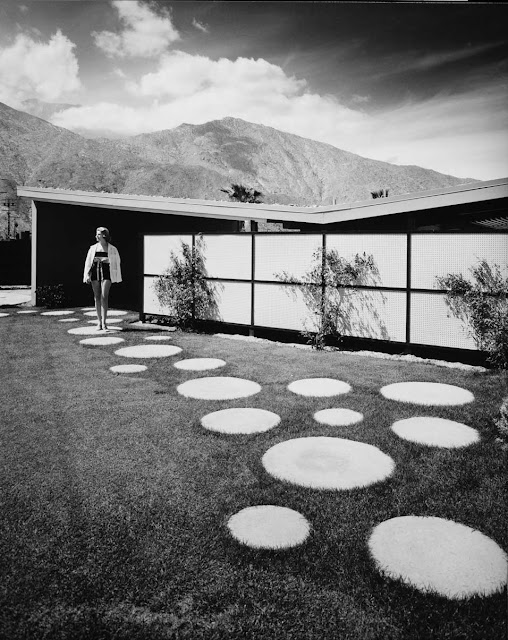
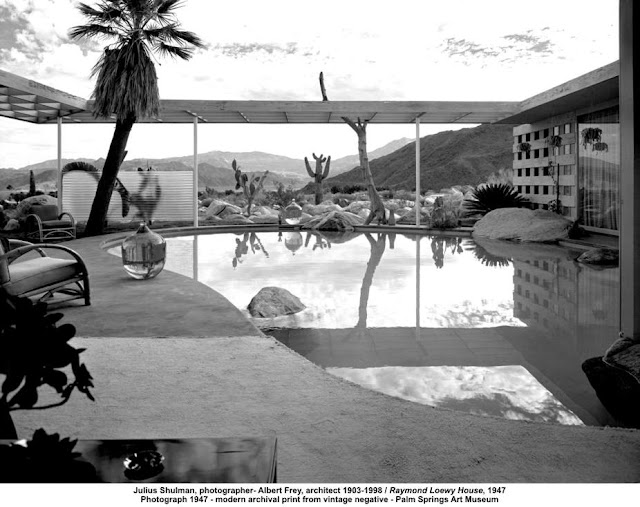
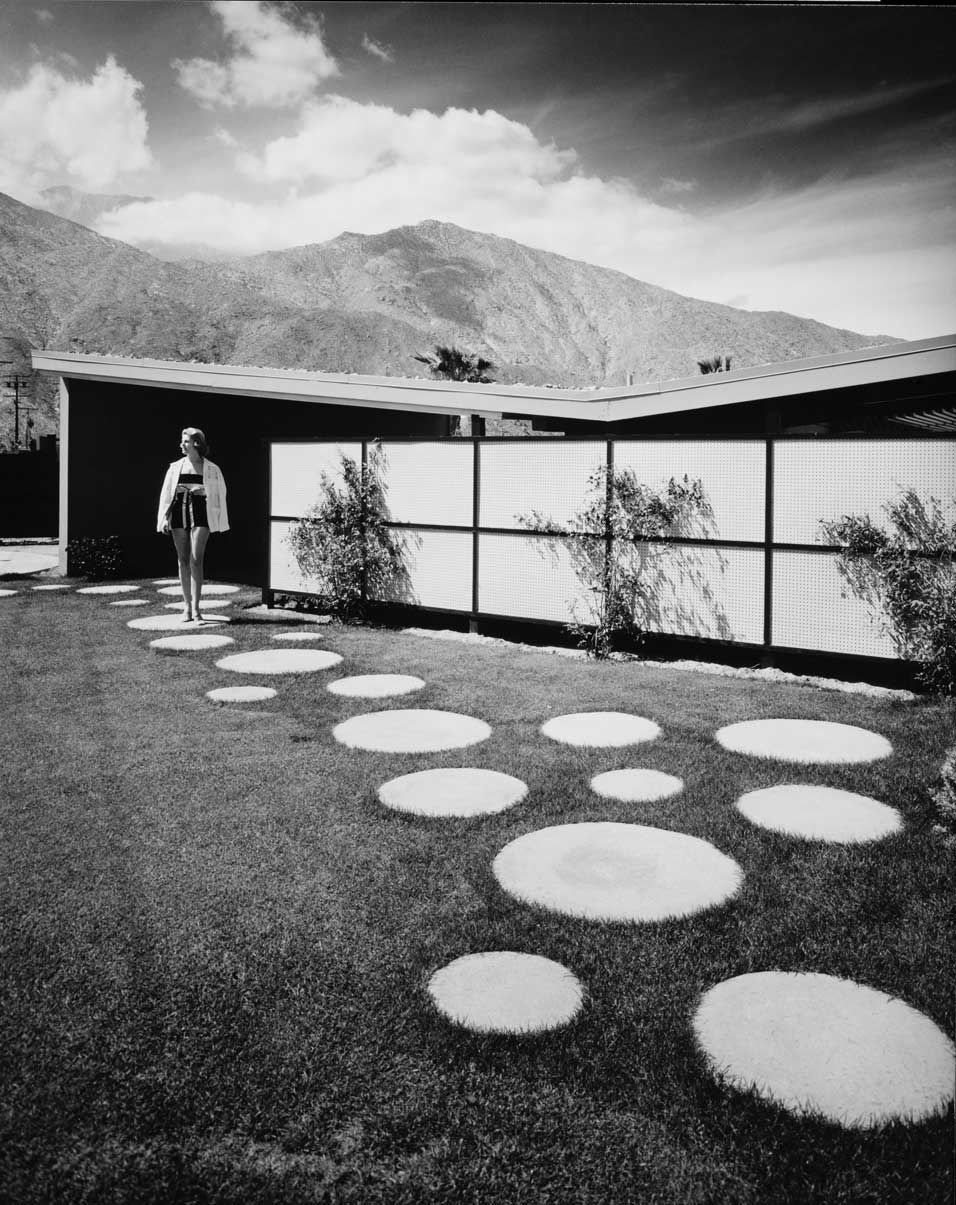
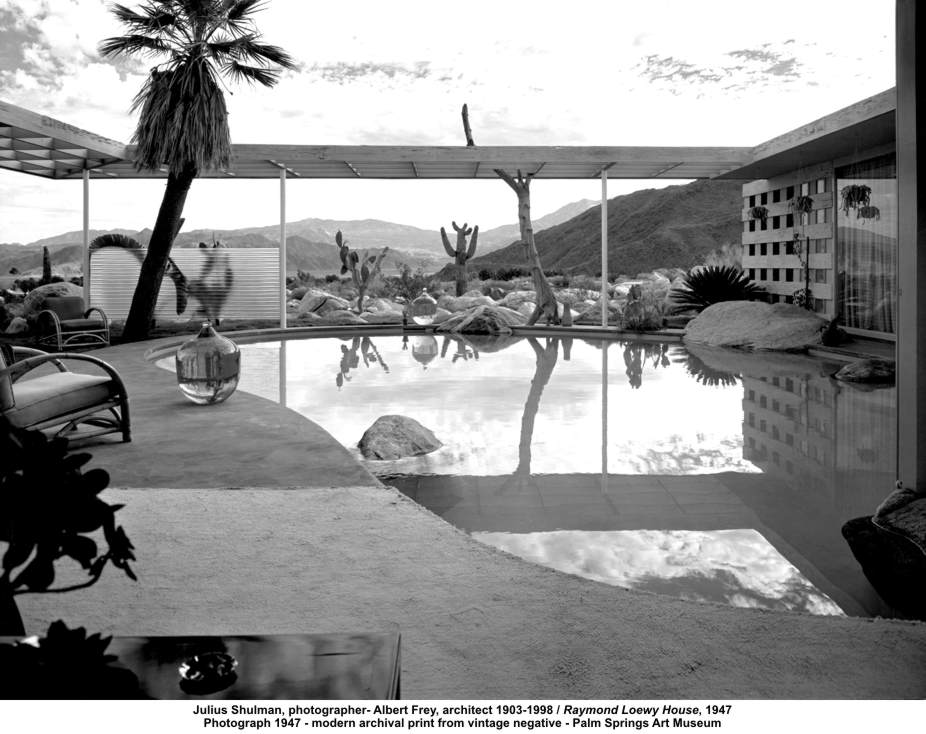
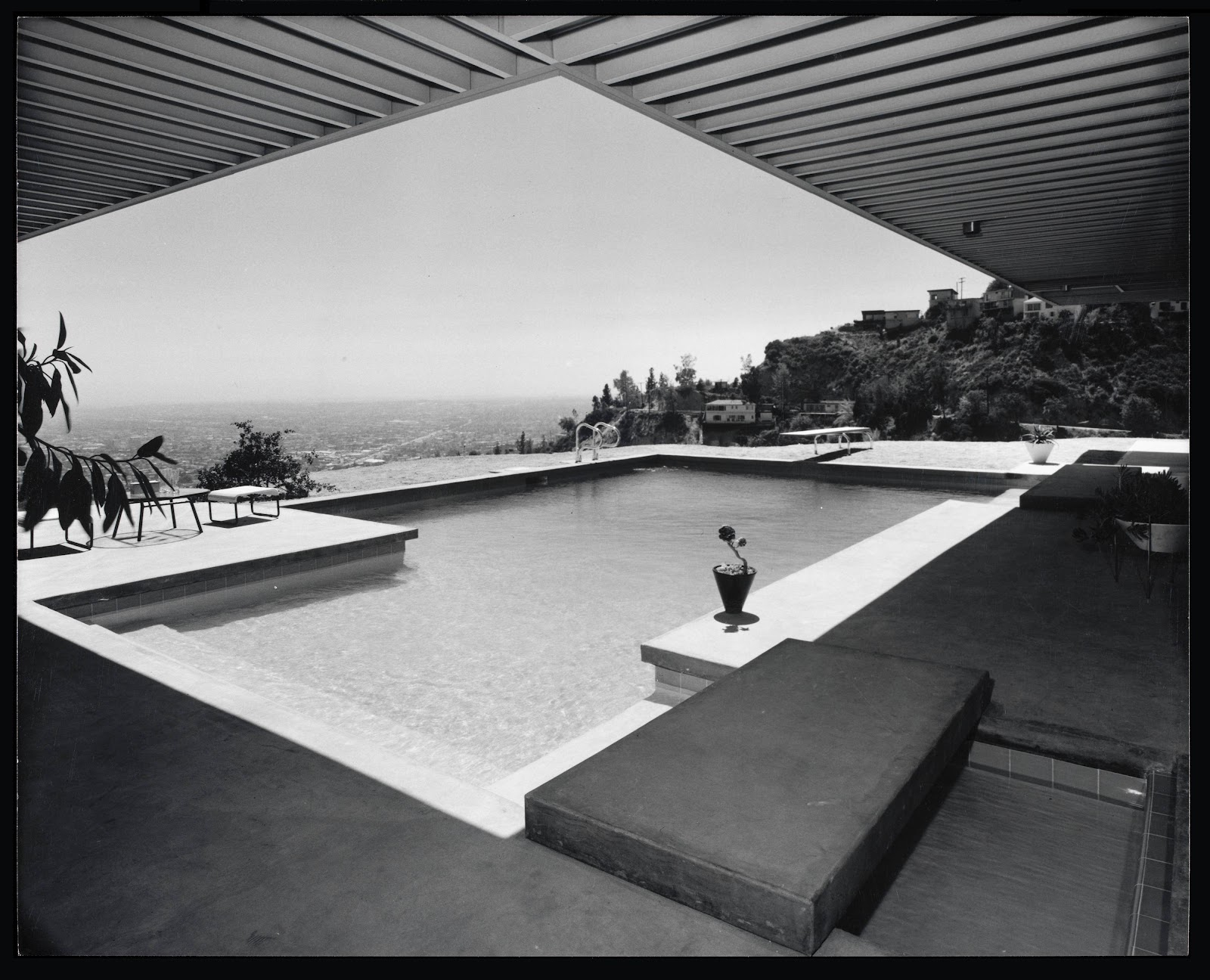
The clarity of his work demanded that architectural photography had to be considered as an independent art form. Each Shulman image unites perception and understanding for the buildings and their place in the landscape. The precise compositions reveal not just the architectural ideas behind a building's surface, but also the visions and hopes of an entire age. A sense of humanity is always present in his work, even when the human figure is absent from the actual photographs.
Today, a great many of the buildings documented by Shulman have disappeared or been crudely converted, but the thirst for his pioneering images is stronger than ever. [via wiki and other sources]
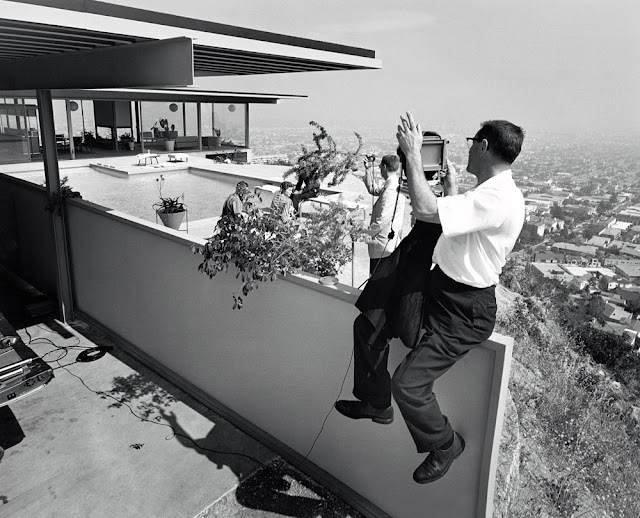
 Julius Shulman's iconic image: Designed by Pierre Koenig in 1959 for Buck Stahl as part of the Case Study Houses sponsored by Arts & Architecture Magazine, the Stahl house achieved its fame, in part, due to Shulman’s iconic image. The glass house appears to levitate over the Los Angeles skyline. Shot at f32 on his 4x5 camera, he used two flash heads for the interior and kept the shutter open for 5 minutes to expose for the city lights.

,+1958.jpeg)


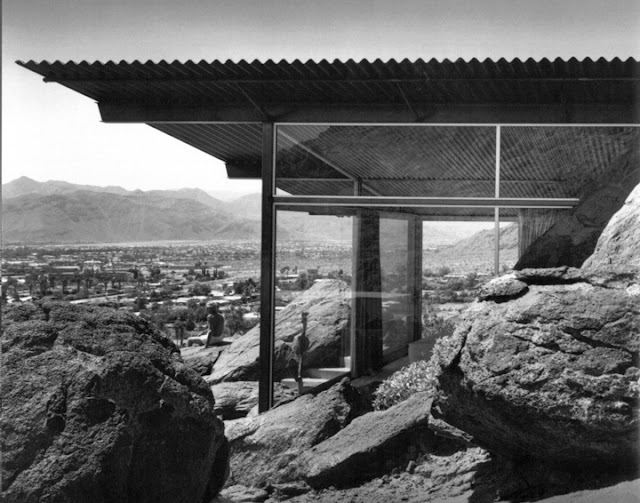




 Shulman uses branches and plants to help frame the shot.


 Julius Shulman and architect Richard Neutra at the Tremaine House


 Tremaine House
 German born photographer Jürgen Nogai and Julius Shulman began a rewarding collaboration in 2000 which lasted almost a decade until Shulman's death in 2009. This is one of my favourite images and homes photographed by the duo.


Winner of several awards including Best Documentary at the Palm Springs International Film Festival and the Grand Jury Prize for Best Documentary at the Lone Star Festival,‘Visual Acoustics – The Modernism of Julius Schulman’ is an elegant, considered and unreservedly lavish expose of the most prolific architectural photographer of our time.
For 70 years, Shulman steadily created one of the most comprehensive visual chronologies of modern architecture and the development of the Los Angeles region. The photographs in this post are selected from his portfolio of more than 70,000 images.
The clarity of his work demanded that architectural photography had to be considered as an independent art form. Each Shulman image unites perception and understanding for the buildings and their place in the landscape. The precise compositions reveal not just the architectural ideas behind a building's surface, but also the visions and hopes of an entire age. A sense of humanity is always present in his work, even when the human figure is absent from the actual photographs.
Today, a great many of the buildings documented by Shulman have disappeared or been crudely converted, but the thirst for his pioneering images is stronger than ever. [via wiki and other sources]


Shulman setting up for the now iconic shot (with a very long sync cord)

,+1958.jpeg)








 German born photographer Jürgen Nogai and Julius Shulman began a rewarding collaboration in 2000 which lasted almost a decade until Shulman's death in 2009. This is one of my favourite images and homes photographed by the duo.


This interview, conducted at the age of 98, and one of his last, shows the tremendous enthusiasm for photography and enduring spirit he had right up to the end of his amazing life.


