Showing posts with label Leica. Show all posts

Thursday, May 31, 2012

On Location with Portrait Photographer Markus Tedeskino Shooting with a Leica S2

On location at the beach in St. Peter Ording, Germany, Portrait Photographer Markus Tedeskino and his team use the Leica S2 with central shutter lenses to capture a ballet dancer in mid-jump.


**double click on video for full screen mode**


Thursday, May 17, 2012

The Making of the $50,000 Leica M9-P Edition Hermès

Hermès, the Parisian fashion giant best known for its prohibitively expensive wearable accessories, has teamed up with Leica for some creative marketing. Two special M9-P editions will be available -- a total of 300 Edition Hermès digital rangefinders will ship beginning in June for $25,000, while 100 "very special" (even more exclusive) Edition Hermès - Série Limitée Jean-Louis Dumas models will be available in July for, ahem, $50,000[via endgadget]


Saturday, May 12, 2012

Pedro Ferreira on the New $8,700 Leica Apo-Summicron-M 50 mm f/2 ASPH.

Fashion photographer Pedro Ferreira uses his Leica M9 and the new Leica APO-Summicron-M 50 mm f/2 ASPH. lens to capture images. Pedro explains why the M-System is his camera of choice and how the Leica APO-Summicron-M 50 mm f/2 ASPH. lens performs with the strong backlight in the studio.


This lens is a new milestone in the history of optical design that achieves previously unattainable values in all technical performance characteristics. For instance, there is practically no fall-off at the edges - even at full aperture - in the MTF curves for image sharpness. Even the finest details are rendered with more than 50% contrast - a previously unheard of value that confirms the exceptional properties of this lens.
This enormous contrast enables extremely sharp images with superb corner-to-corner detail rendition in all photographic situations. At the same time, the apochromatic correction of the lens minimises chromatic aberration on sharp edges to ensure natural rendition of every detail. This results in outstanding pictures - even in large-format prints. The Leica APO-Summicron-M 50 mm f/2 ASPH. provides discerning photographers with a new high-performance lens in the portfolio of standard focal lengths.[via Leica]


Friday, March 23, 2012

Super Rare $37K White Leica M9-P ~ "The Unicorn"

The white Leica M9-P (with a silver 50mm f/0.95 noctilux lens) is a very limited edition of the digital rangefinder.

Only 50 will be sold, each at $37K only in Japan. It’s so rare, some are calling it the Unicorn.


Info on the Leica 50mm f 0.95 Noctilux:
According to Stefan Daniel, Leica’s director for product management, “The Noctilux 0.95/50 is one of the most demanding lenses currently in production, and we can only assign production and assembly to the most experienced and skilled people in the whole company”. It is also the most expensive lens in the M and S ranges ($11,000 USD).  It may therefore come as a bit of a surprise to learn that it’s also one of the most in-demand lenses, with a waiting list of up to a year. Although the lens itself takes 16 hours to assemble by hand, it’s the raw materials and optics, some of which have a rumoured 12-month period to cool from being cast, which add to the length of time required. There is some very exotic glass used in this lens.
 [via British Journal of Photography]


• World's Fastest-Aperture Lens @ f/0.95
• State-of-the-Art Optics and Mechanics
• Amazing Quality Throughout Focal Range
• 2 Aspherical / Rear Floating Elements

Here's the all white Leica M8
*click on image to bigify*

Thursday, March 8, 2012

Photographer Profile ~ Mark Murrmann

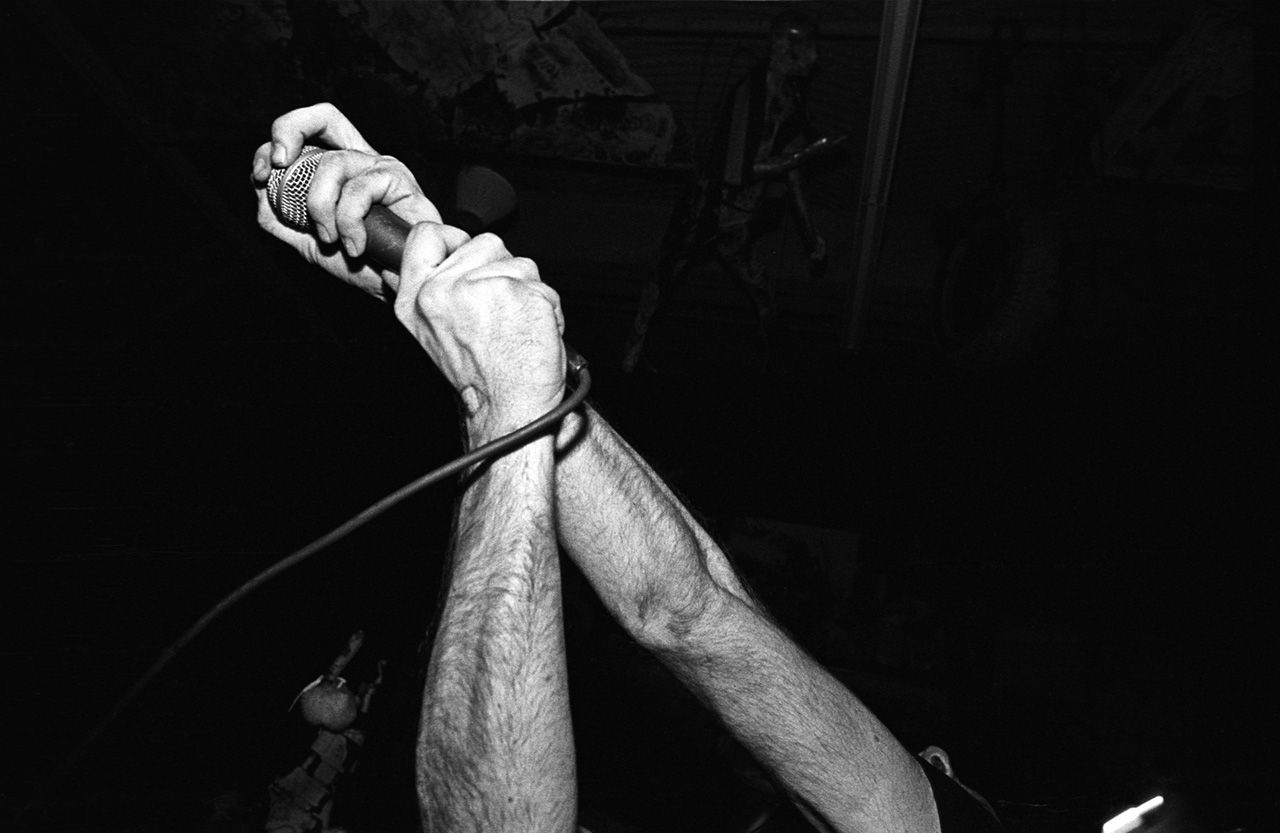
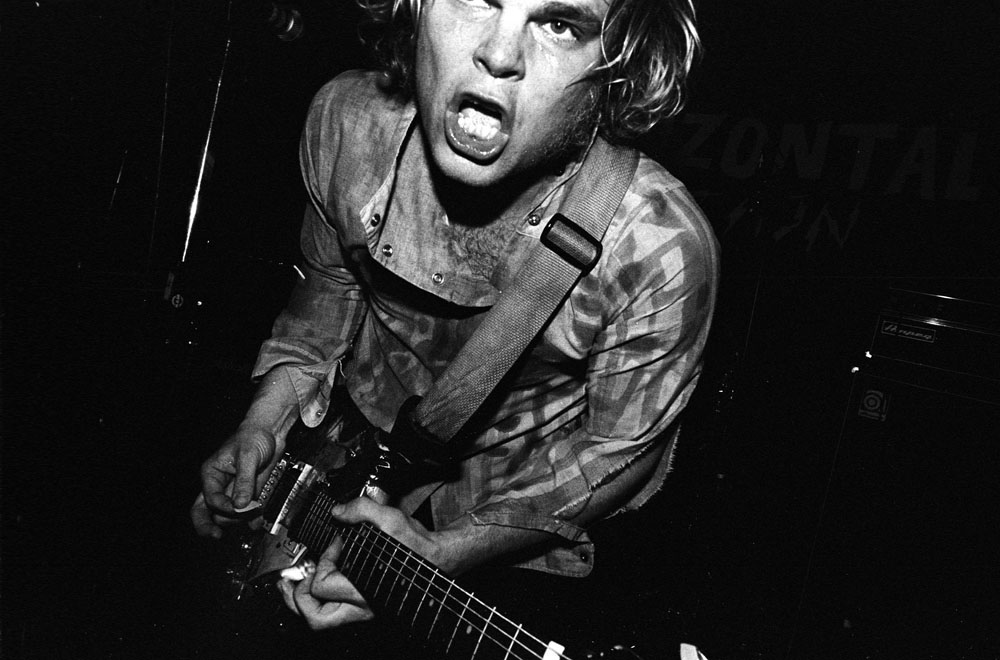
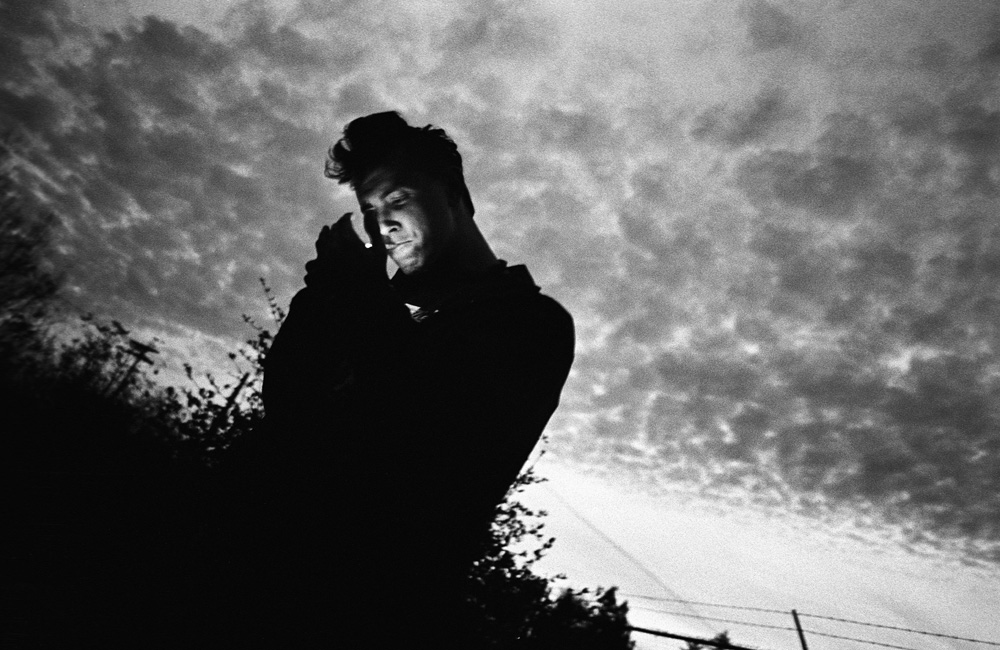
Mark Murrmann specializes in documentary-style photography for editorial and commercial clients. He was named one of Lürzer Archives' 200 Best Advertising photographers of 2010/11 and had a portrait of Dead Weather chosen for American Photography 27.

Mark's photos have appeared on dozens of record covers and in publications around the world. He has done commercial work for Jim Beam, Levi's, Nike, and Samsung. He is a regular contributor to Hamburger Eyes and curated the Maximum Rocknroll photo issue (and accompanying exhibit) in 2010.

When not taking pictures, he works on the other side of the desk as Photo Editor at Mother Jones magazine.


"I kind of stumbled on street photography when I was living in Washington, D.C. in the mid-90s. I carried my camera everywhere and snapped some photos while walking to work. It just never occurred to me to do that. And then, looking at the negatives, it of course all made sense. I vaguely knew of photographers like Cartier-Bresson and Brassai."
~ Murrmann ( I'm sure he knows better now!)


Dead Weather:  Alison Mosshart (of The Kills and Discount), Jack White (of The White Stripes and The Raconteurs), Dean Fertita (of Queens of the Stone Age) and Jack Lawrence (of The Raconteurs and The Greenhornes) Great band btw!


"Part of what I love as much as the analog process is just shooting with the M6 (or M4-P), the Leica. All the hokey, borderline-religious fanaticism crap some people spout has a bit of truth to it. When I grab my M6, it’s like an extension of my hand. I don’t have to think about using it, at all. I don’t like shooting street stuff nearly as much with my other cameras, whether they’re film or digital. Other situations, like shooting bands in tricky lighting situations, make shooting with faster cameras more optimal, but in general if I can only bring one camera, it’s my M6."~ Mark Murrmann


Tuesday, January 10, 2012

Introducing The New Fujifilm X-Pro1


It's official. FujiFIlm has announced an exciting new camera that is marketed towards professionals and advanced amateurs. The new Fujifilm X-Pro1 is a rangfinder camera that is almost identical in size than the much more expensive Leica M9. The Fujifilm X-Pro1 promises to be a excellent full featured camera that will make those lusting after the M9 take a serious look at what Fujifilm has to offer. The body with all three lenses (available at launch) will be less than half of the Leica M9 body alone.

FujiFilm has a long history of making professional cameras so the X-Pro1 should be every bit as good as everyone hopes it will be. Three lenses will be available at launch: an 18mm ƒ2, a 35mm ƒ1.4 and a 60mm ƒ2.4 (27mm, 53mm and 90mm equivalents).Fujifilm is fully invested in the system, and plans to introduce a total of nine XF lenses in the next three years. An ultra-wide 14-mm lens is in the works, which equates to 21mm on a full-frame sensor. 

Lenses due out for the X-Pro1
2012
• 14mm (21mm equivalent) super wide
• 18-72mm f/4 (27-108mm equivalent) image stabilized zoom
2013
• 23mm f/2 (34mm equivalent) wide
• 28mm f/2.8 pancake design (42mm equivalent) normal
• 12-24mm f/4 (18-36mm equivalent) image stabilized zoom
• 70-200mm f/4 (105-300mm equivalent) image stabilized zoom


Price for body is $1700 and lenses are going to be around $600 each which means photographers can afford this puppy. I'm getting one!


*Click on image for a larger view*

The X-Pro1 has several film emulation modes built-in, mimicking the look and feel of such classic Fuji slide stock as Velvia, Astia, and Provia. The X-Pro1 is also capable of recording video in 1080p resolution. A mini HDMI port will make it possible to watch the video directly on an HDTV. The X-Pro1's new 16MP sensor does not require a low pass filter for moire issues which means sharper images.


At CES FUJIFILM also announced that they’ll be releasing a lens adapter for the camera that will make it compatible with Leica M-mount lenses as well as old Fujinon lenses.

See some fantastic sample images from the X-Pro 1 here
I am impressed!


check out this hands on demo.


Promo vid for the new Fujifilm X-Pro1


Saturday, November 19, 2011

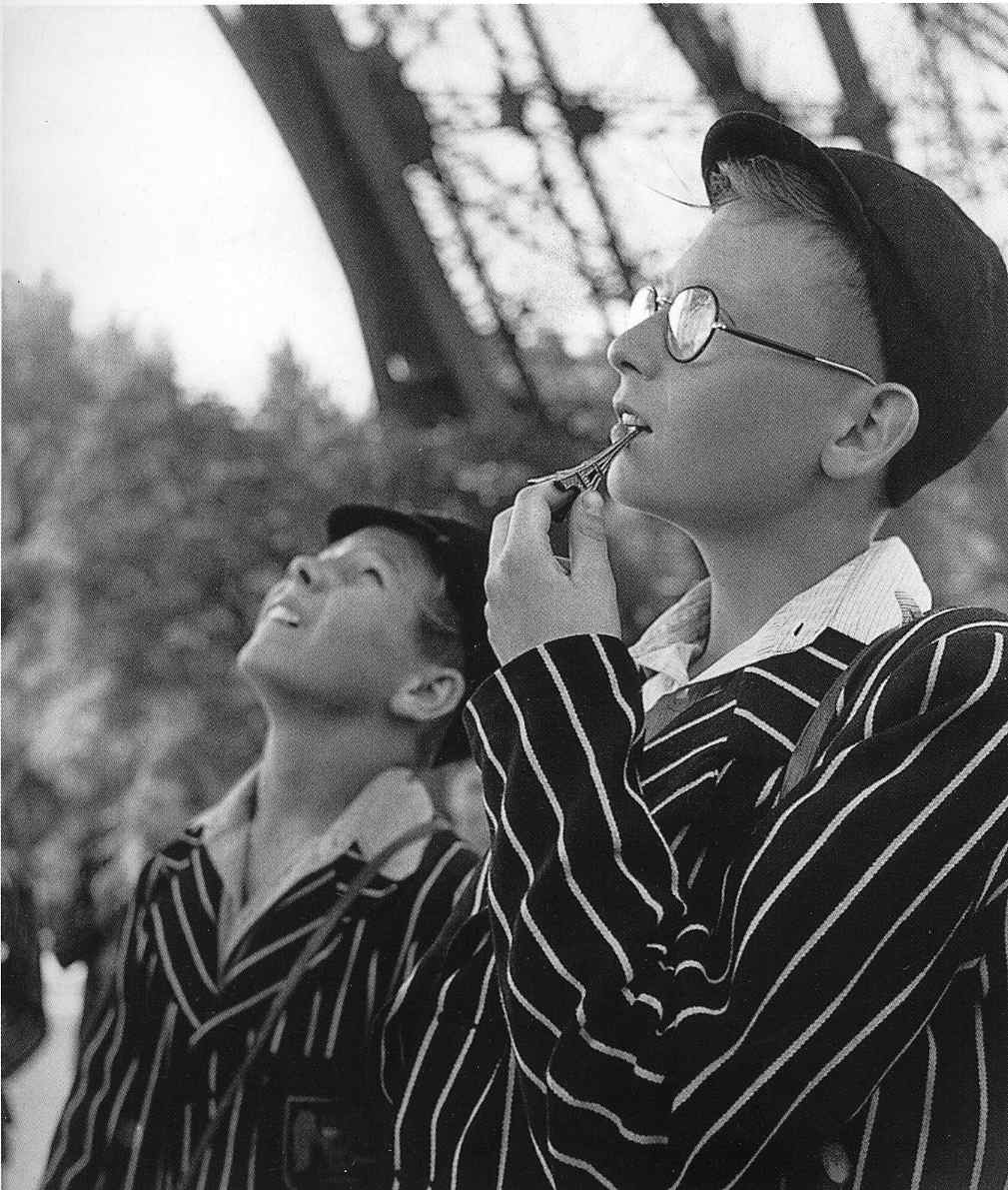
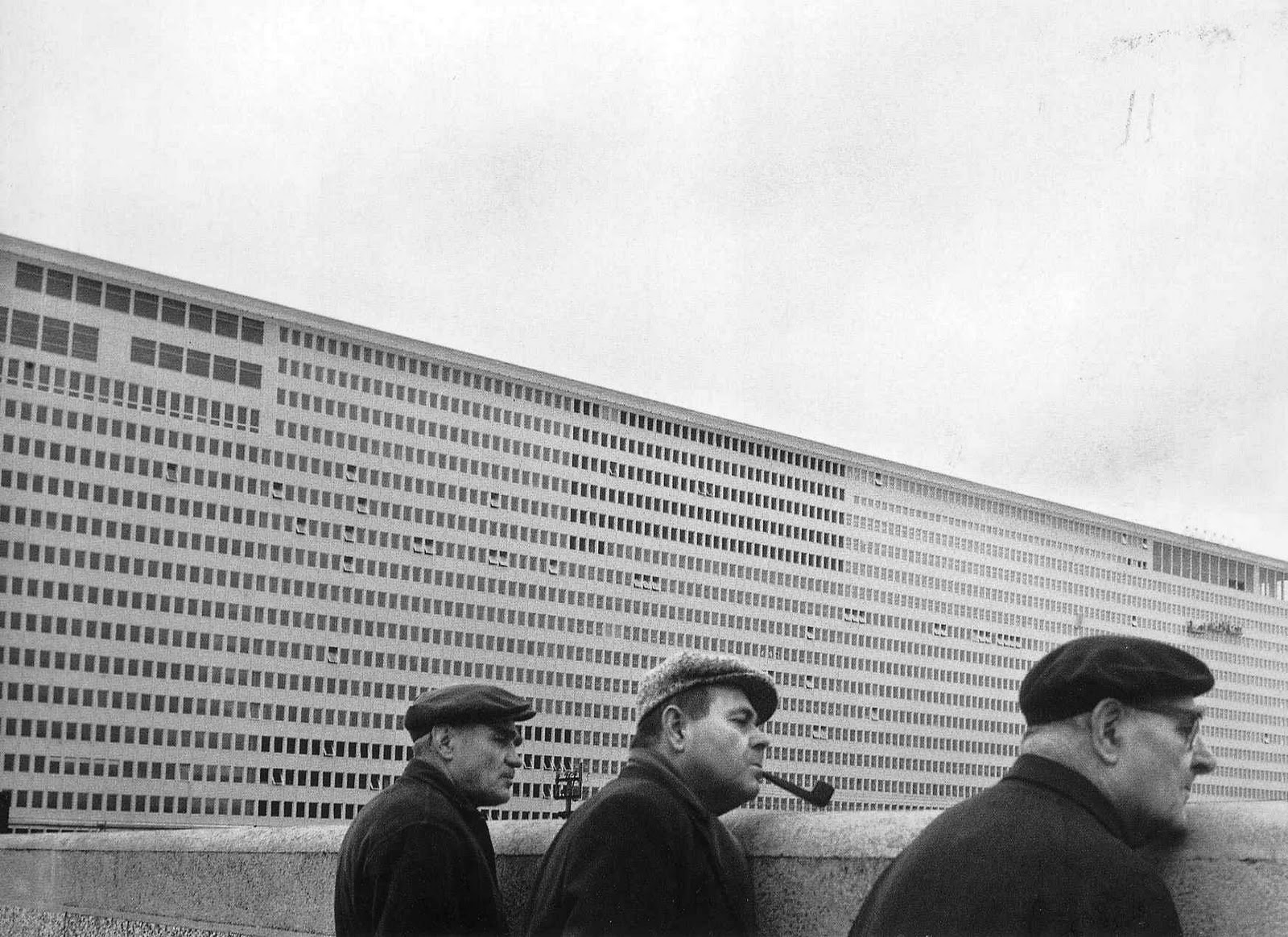
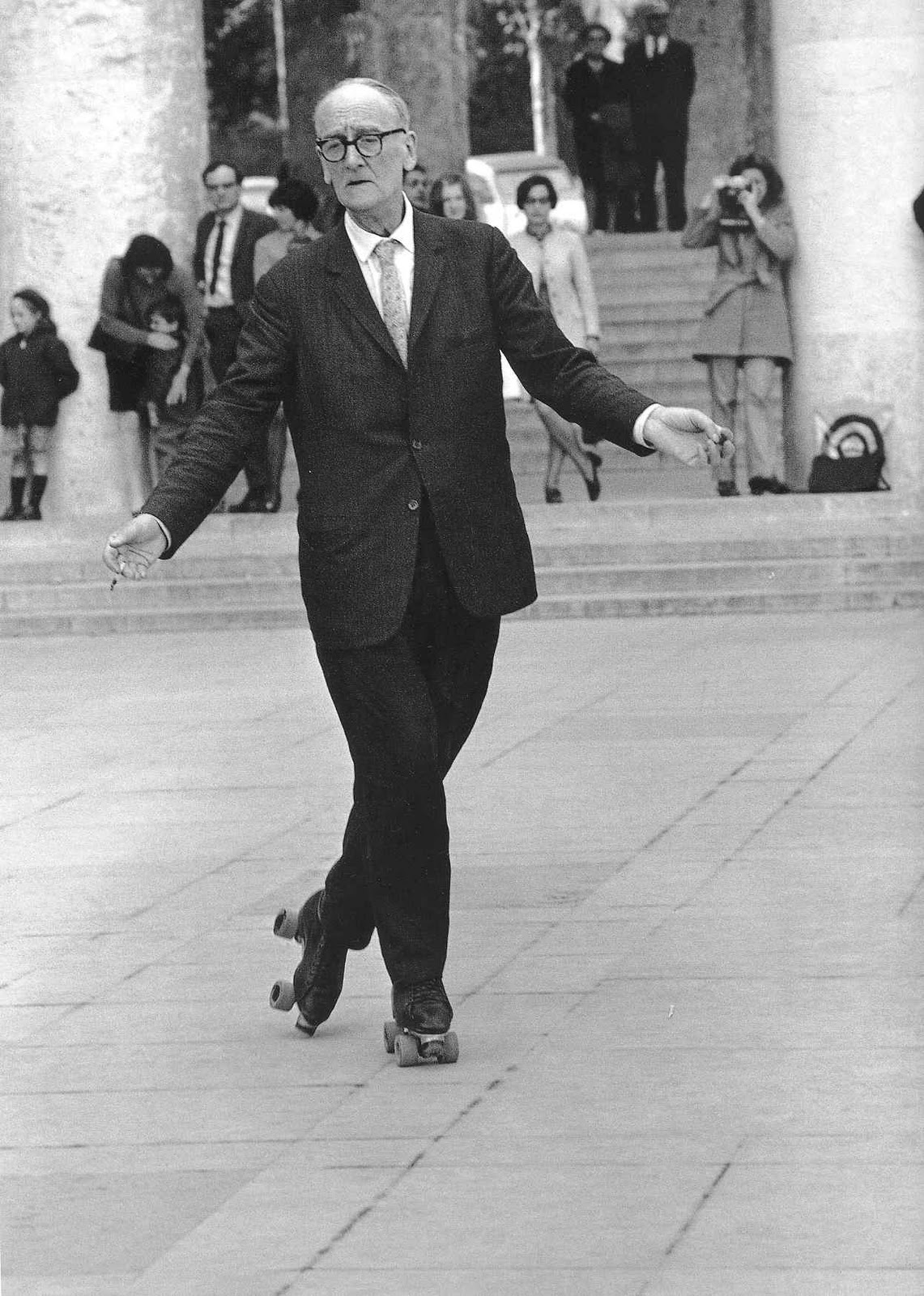
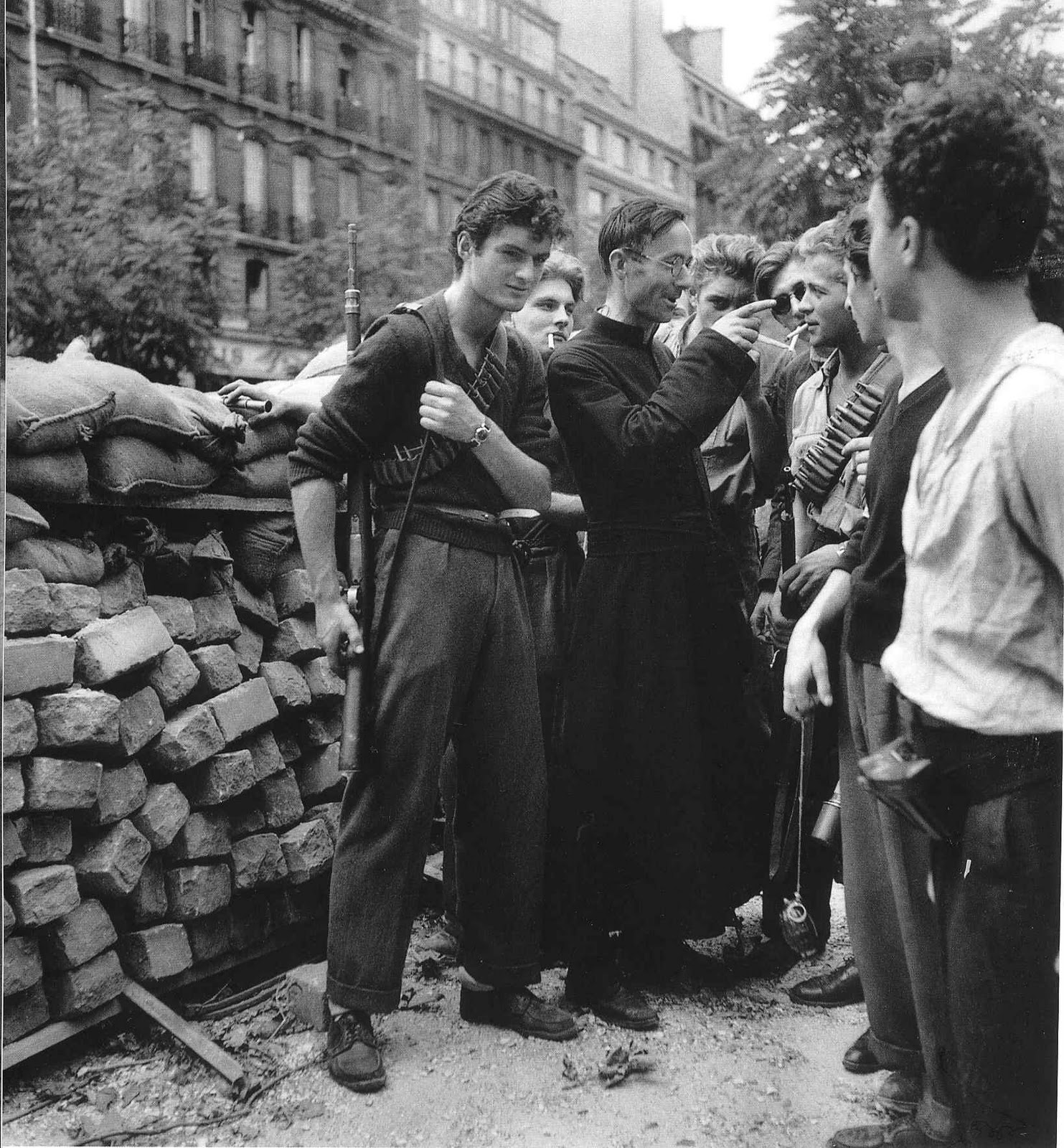
Photographer Profile ~ Robert Doisneau

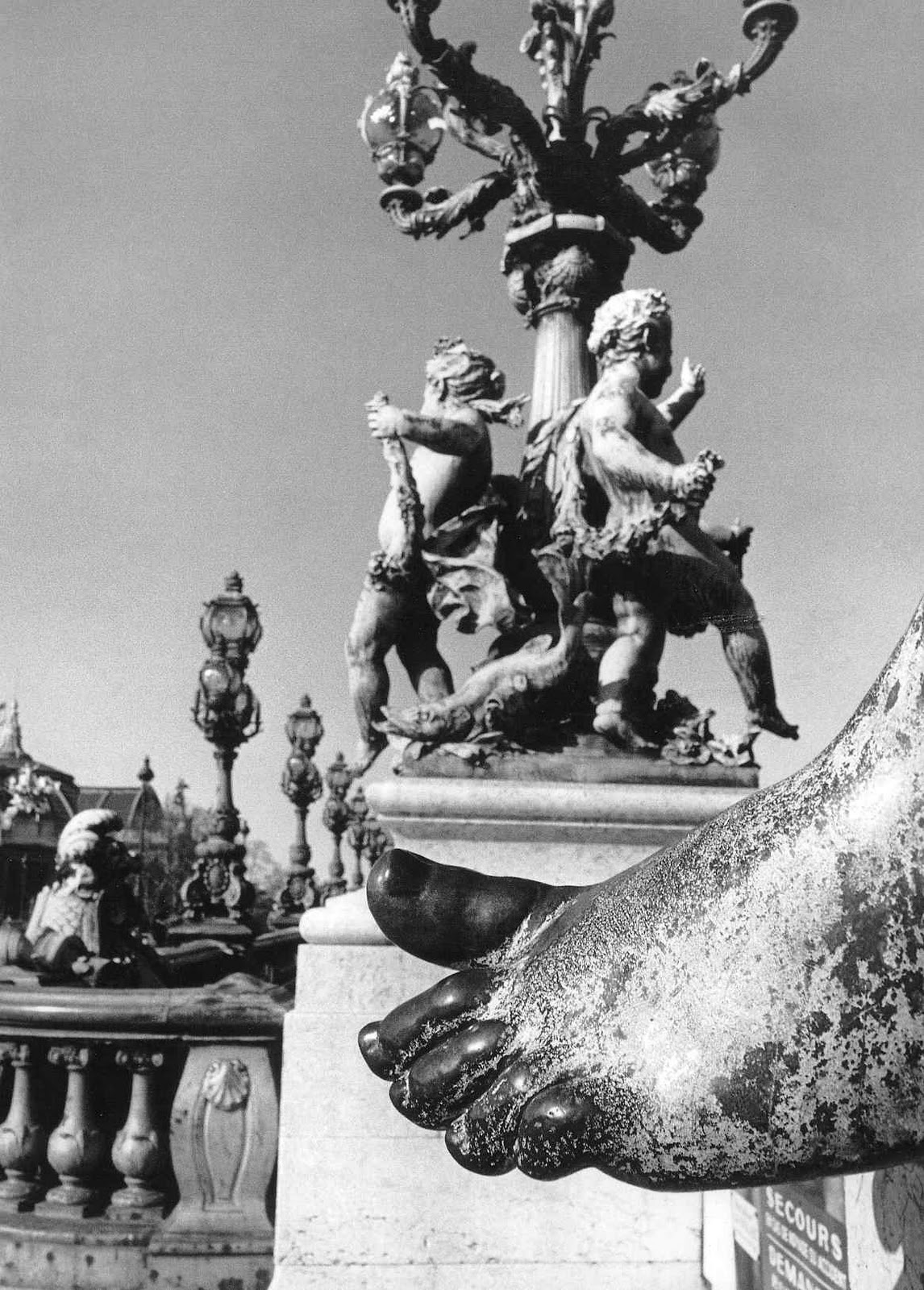
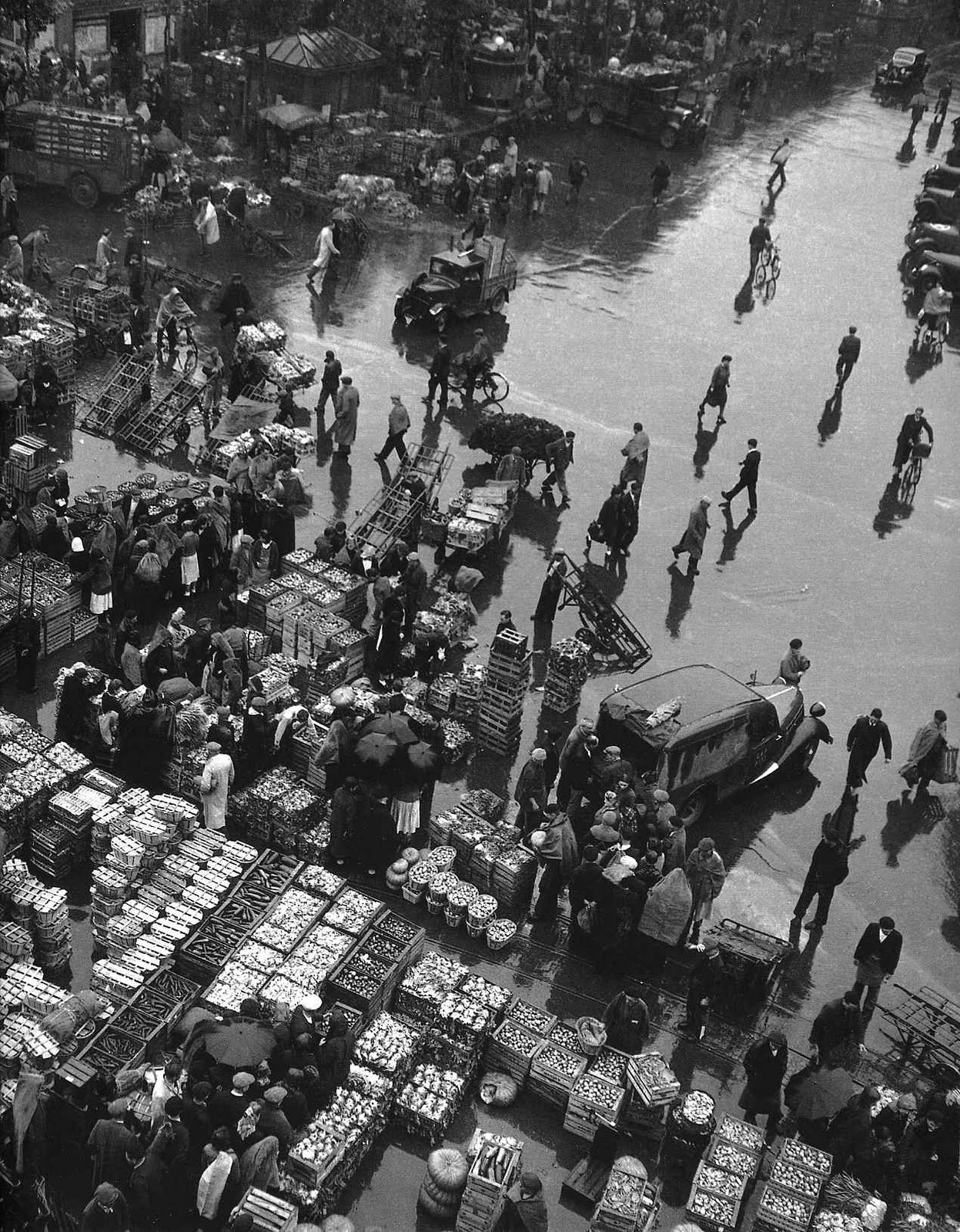
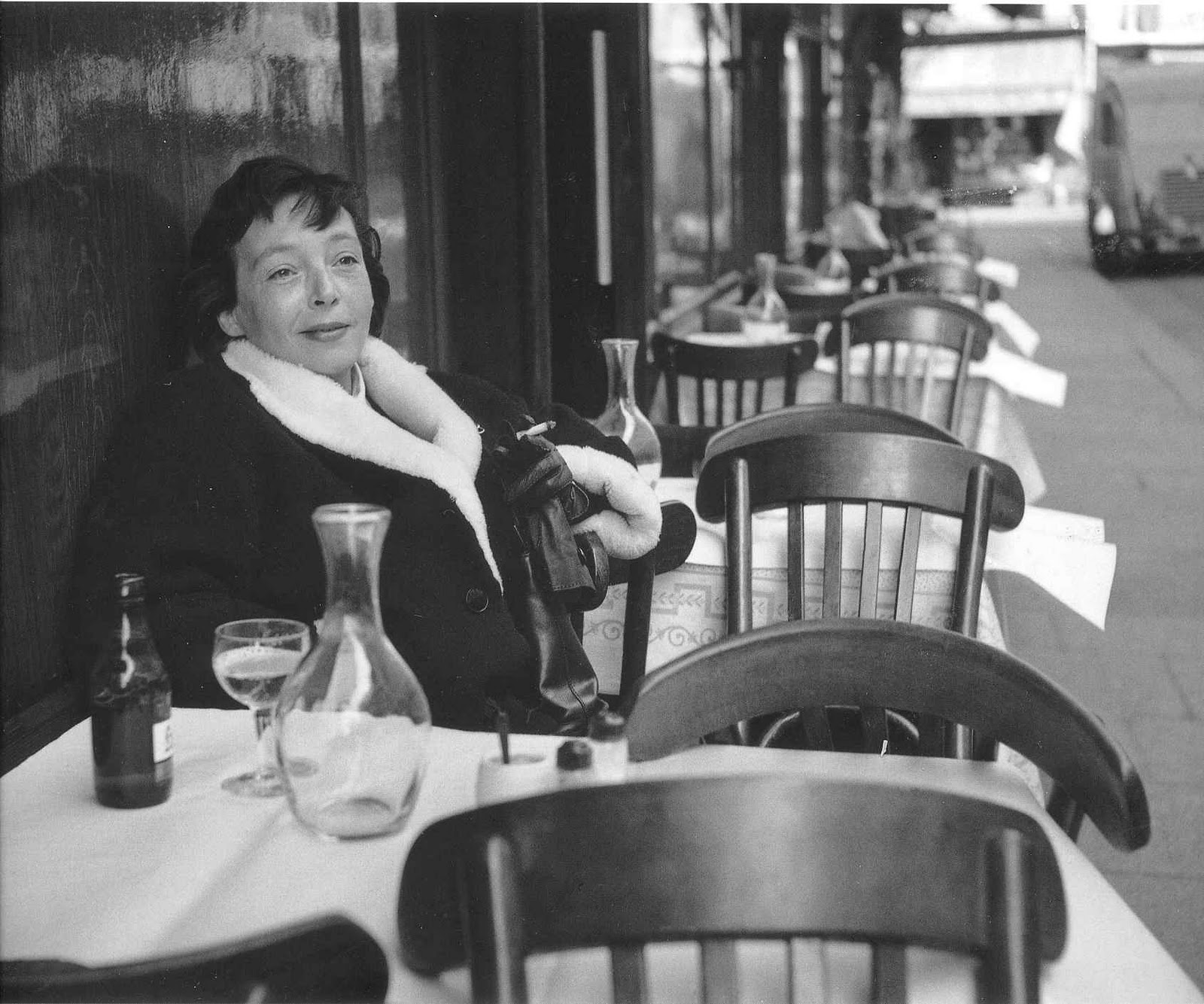
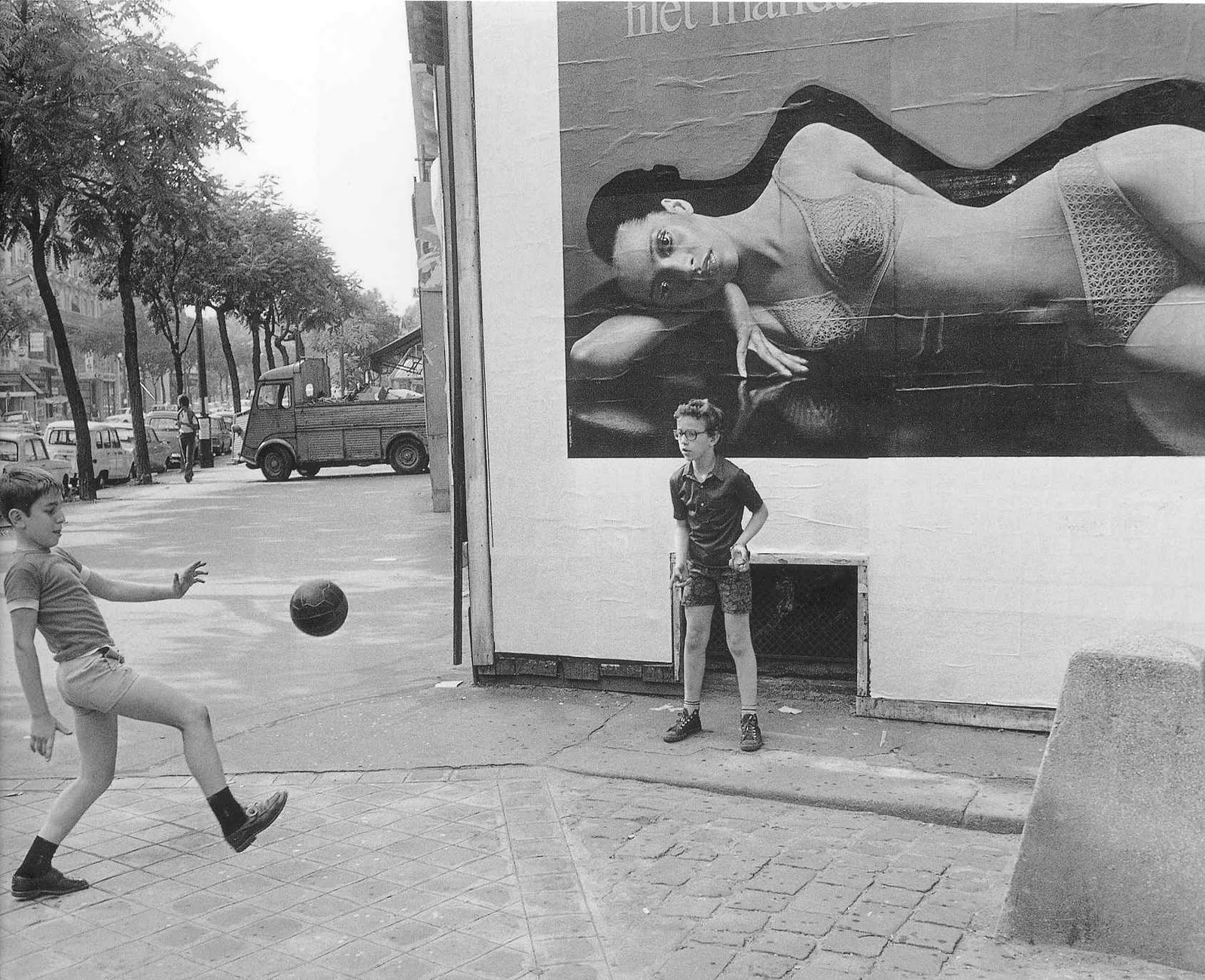
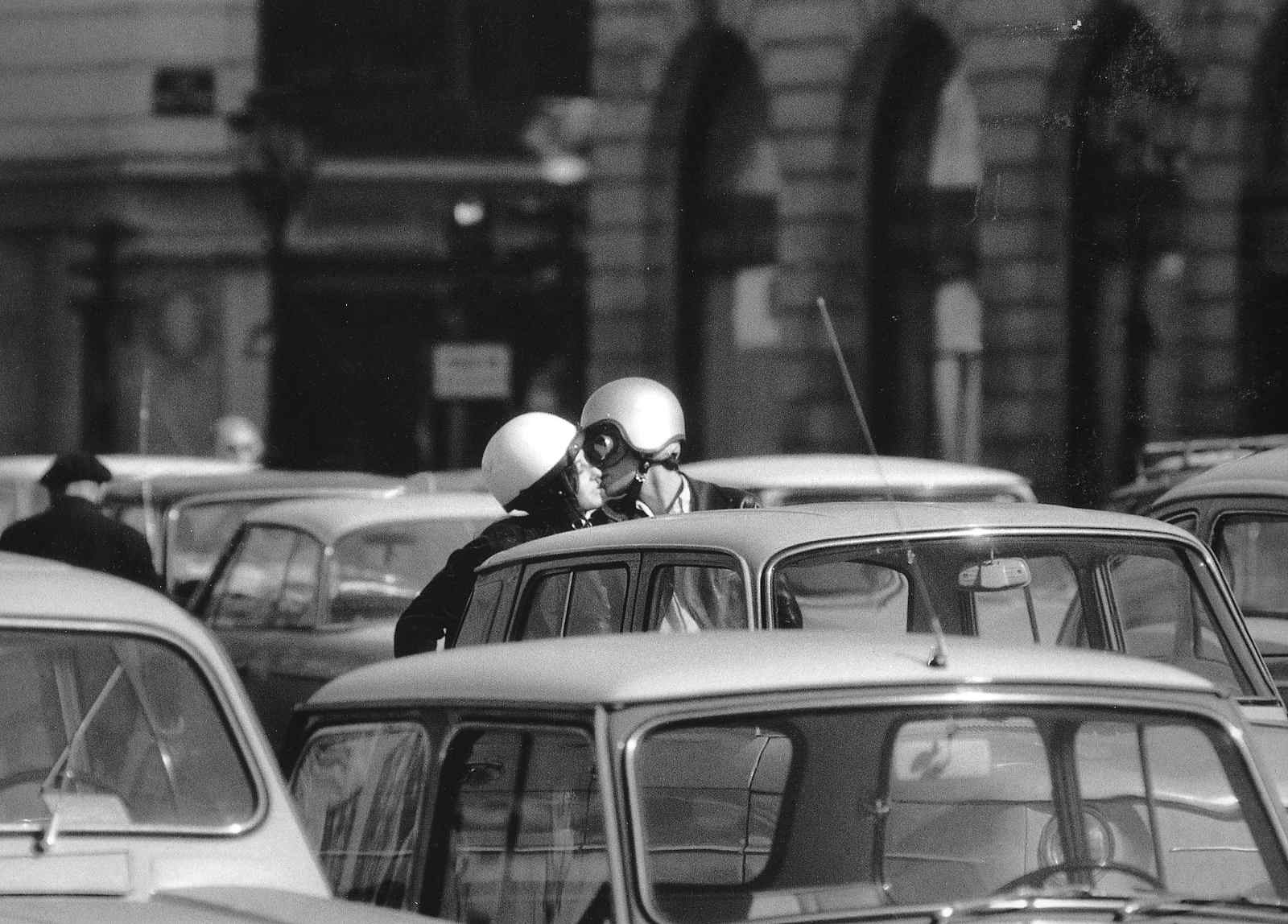
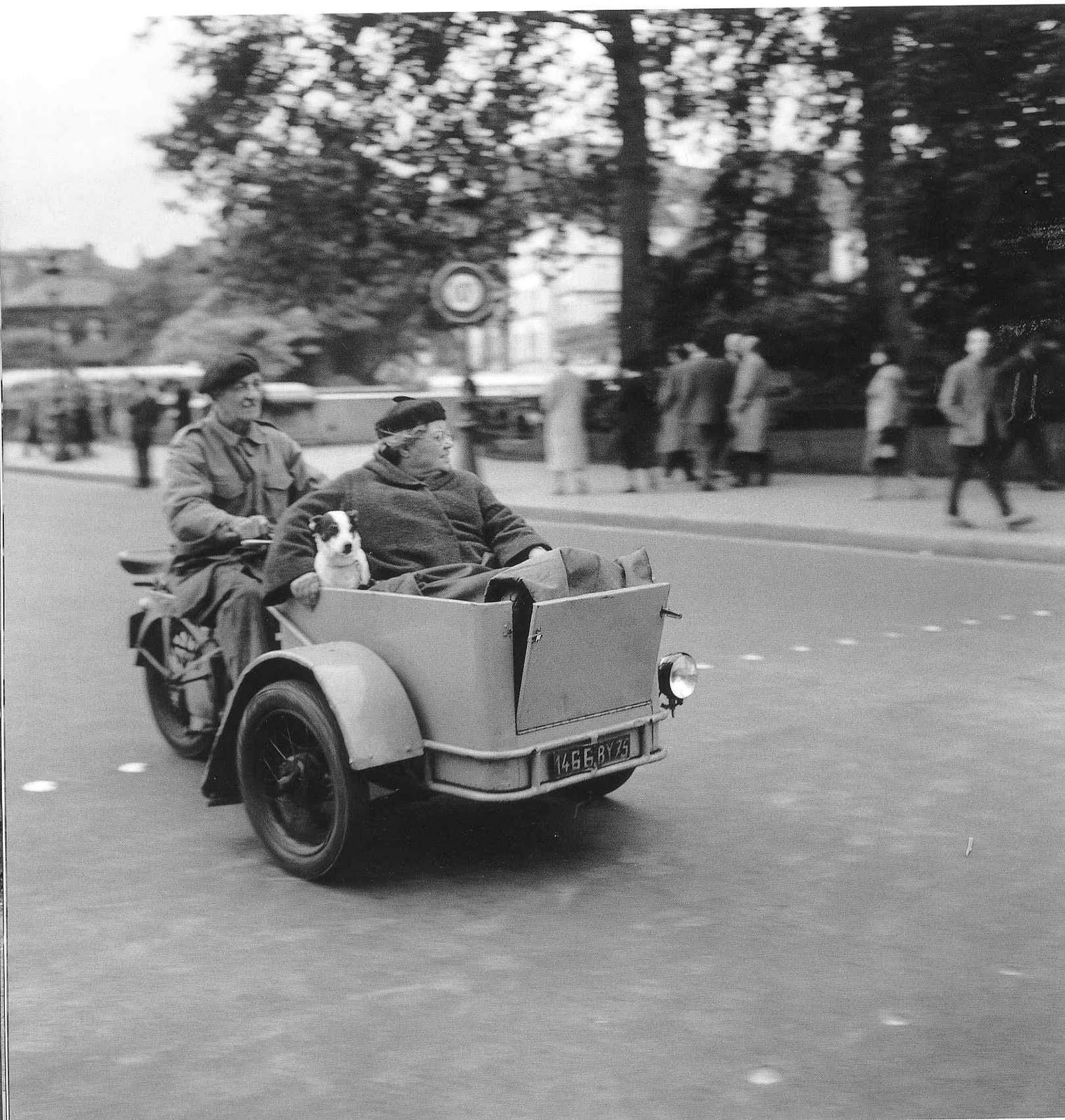
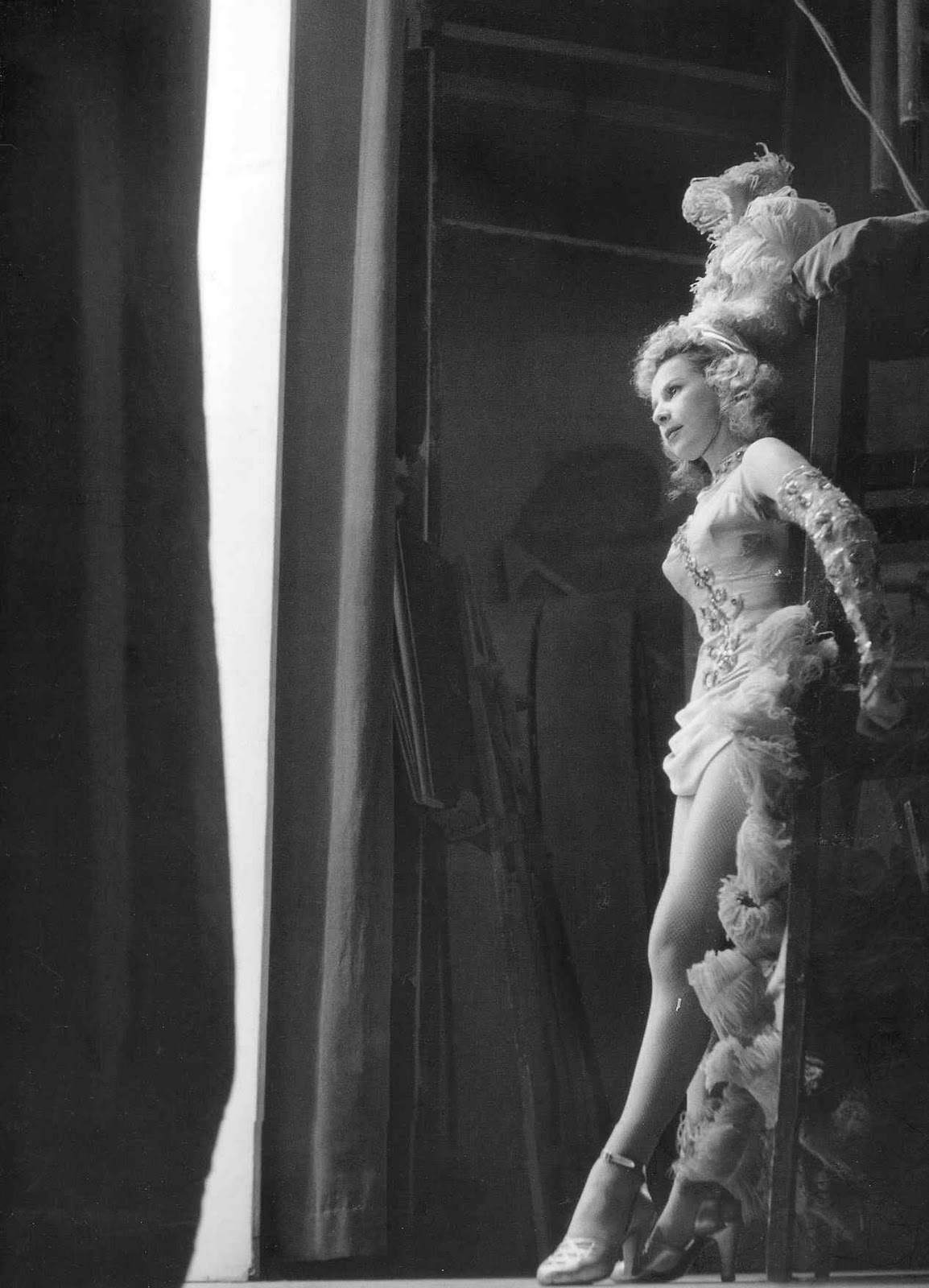
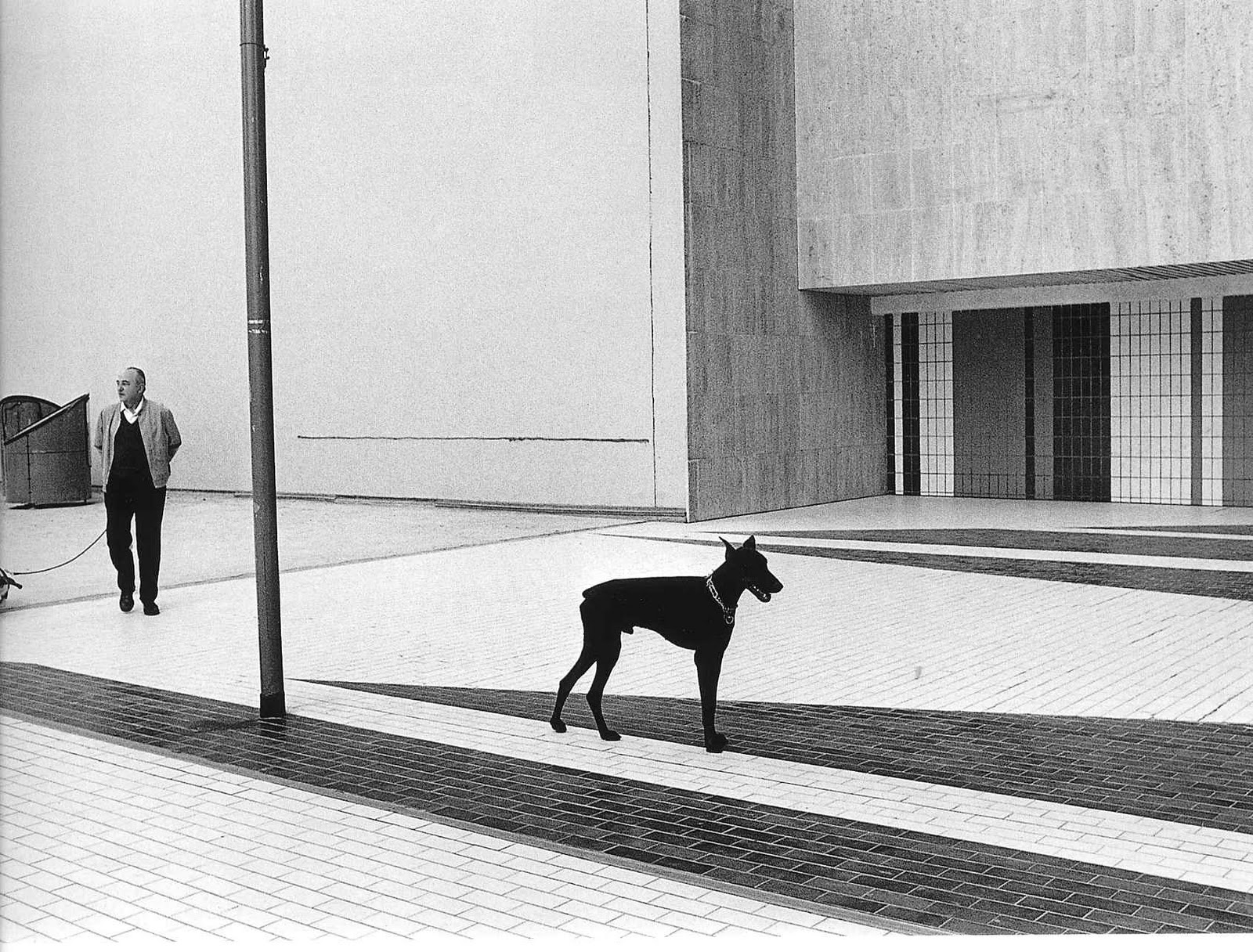
Robert Doisneau (1912-1994) was a French photographer. In the 1930s he used a Leica on the streets of Paris; together with Henri Cartier-Bresson he was a pioneer of photojournalism. He is renowned for his 1950 image Le baiser de l'hôtel de ville (Kiss by the Hôtel de Ville), a photo of a couple kissing in the busy streets of Paris. Robert Doisneau was appointed a Chevalier (Knight) of the National Order of the Légion d'honneur in 1984.

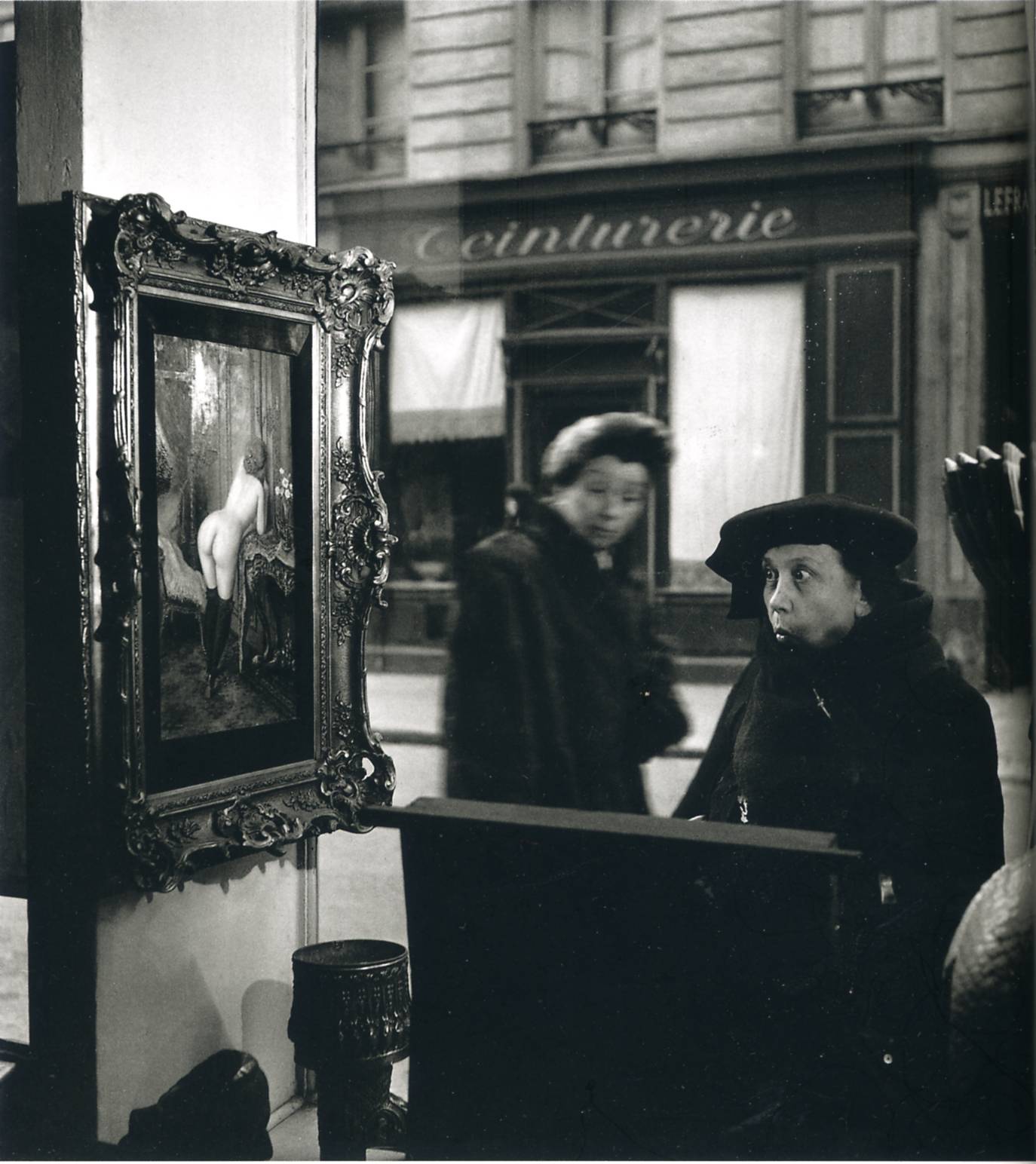
Robert Doisneau was known for his modest, playful, and ironic images of amusing juxtapositions, mingling social classes, and eccentrics in contemporary Paris streets and cafes. Influenced by the work of André Kertész, Eugène Atget, and Henri Cartier-Bresson, in over twenty books Doisneau presented a charming vision of human frailty and life as a series of quiet, incongruous moments.

Robert Doisneau is one of France's best known photographers, for his street photography and the many playful images in everyday French life. His photographs over the course of several decades provide people with a great record of French life. He has published over twenty books with realistic and charming pictures of personal moments in the lives of individuals.
[via wiki]


Self-portrait (1947) Robert Doisneau

Kiss by the Hôtel de Ville

The Story Behind The Kiss:
In 1950 he created his most recognizable work for Life - Le baiser de l'hôtel de ville (Kiss by the Hôtel de Ville), a photo of a couple kissing in the busy streets of Paris, which became an internationally recognised symbol of young love in Paris. The identity of the couple remained a mystery until 1992.
Jean and Denise Lavergne erroneously believed themselves to be the couple in The Kiss, and when Robert and Annette met them for lunch in the 1980s he "did not want to shatter their dream" so he said nothing. This resulted in them taking him to court for "taking their picture without their knowledge", because under French law an individual owns the rights to their own likeness. The court action forced Doisneau to reveal that he posed the shot using Françoise Delbart and Jacques Carteaud, lovers whom he had just seen kissing but had not initially photographed because of his natural reserve, but he approached them and asked if they would repeat le baiser. He won the court case against the Lavergnes.
"I would never have dared to photograph people like that. Lovers kissing in the street, those couples are rarely legitimate." Robert Doisneau. 1992
The couple in Le baiser were Françoise Delbart, 20, and Jacques Carteaud, 23, both aspiring actors. In 2005 Françoise stated that "He told us we were charming, and asked if we could kiss again for the camera. We didn't mind. We were used to kissing. We were doing it all the time then, it was delicious."


Picasso


 "A hundredth of a second here, a hundredth of a second there — even if you put them end to end, they still only add up to one, two, perhaps three seconds, snatched from eternity."  ~ Robert Doisneau


You’ve got to struggle against the pollution of intelligence in order to become an animal with very sharp instincts – a sort of intuitive medium – so that to photograph becomes a magical act, and slowly other more suggestive images begin to appear behind the visible image, for which the photographer cannot be held responsible." ~ Robert Doisneau


I like people for their weaknesses and faults. I get on well with ordinary people. We talk. We start with the weather, and little by little we get to the important things. When I photograph them it is not as if I were examining them with a magnifying class, like a cold and scientific observer. It’s very brotherly. And it’s better, isn’t it, to shed some light on those people who are never in the limelight." ~ Robert Doisneau


 The photographer must be absorbent–like a blotter, allow himself to be permeated by the poetic moment…. His technique should be like an animal function…he should act automatically. ~ Robert Doisneau


 The marvels of daily life are exciting; no movie director can arrange the unexpected that you find in the street. ~ Robert Doisneau


If I knew how to take a good photograph, I’d do it every time. ~ Robert Doisneau


 Picasso


Alberto Giacometti in his studio in Paris


"I don't photograph life as it is, but life as I would like it to be,"  ~ Robert Doisneau


 La dactylo du Vert Galant. Paris, 1947


Robert Doisneau, [Harper's Bazaar editor Carmel Snow working on fashion shoot with photographer Louise Dahl-Wolfe and model Suzy Parker], 1953
Jacques Tati ~  French filmmaker, comedic actor, writer and director.


Robert Doisneau (left) and fellow photographer André Kertész, during a talk in Southern France, 1975.


Robert Doisneau

A fascinating look into the creative process of a master street photographer ~ Enjoy!


Related Posts Plugin for WordPress, Blogger...