Showing posts with label Wet Plate Collodion. Show all posts

Wednesday, April 4, 2012

Photographer Ian Ruhter Shoots the Band METRIC via 8x10 Wetplate Photography.

It started off as an average day. Ian woke up, had his coffee, then phone rang. It was his good friend Lauren Graham. She asked him if I want to shoot the band Metric (Canadian!) with the wet plate collodion process. Ian didn’t even have to think about it; he just answered when and where. She said they were in town shooting for the Jay Leno show and they had a pretty busy schedule but she would check. She let Ian know they would be done at 5 pm or so and want to do it.

 Ian's first thought was about the amount of daylight left in the day after 5pm. Lauren suggested they do it close to the Leno studio which is in Burbank. She works at the Jackass office around the corner. Ian hesitated and said yes, but he could not think of a worse location than a parking lot in the valley. This was an opportunity that he didn’t want to let slip by, so Ian called his right hand man James about doing a test that night. Ian stayed up late in to the am shooting photos, mixing extra chemicals and prepping everything. He felt good. This was the most prepared they had been for any wet plate shoot thus far. The results speak for themselves.. [via Ian's blog]


Love the 8x10 wooden Dierdorff camera!

Ian Ruhter Shoots Metric from What the Fleet on Vimeo.


Tuesday, April 3, 2012

Van Turned Into Giant Wet Plate Camera ~ by Photographer Ian Ruhter

Los Angeles-based photographer Ian Ruhter creates amazing photographs using a van that he turned into a gigantic camera. Converting the Van into a massive camera was a two year labour of love.

 Ian uses the collodion wet plate process, first introduced in the 1850s, to produce the 36x24 inch images. Each image is one of a kind and costs $500 to produce,


“This project isn’t about making images. It’s not about creating the world’s largest camera. It’s about doing what you love. If you had been searching your whole life for something you love, what would you be willing to sacrifice?” ~Ian Ruhter


The opening of this Video reminds me of the TV show Breaking Bad. If you Meth lab cooks out there are looking for a legit gig, why not try the collodion process?


SILVER & LIGHT from Ian Ruhter on Vimeo.

Show Ian some love and check out his facebook page and Tumblr
facebook.com/pages/Ian-Ruhter-Photography/159583283699


ianruhter.tumblr.com/


Thursday, February 9, 2012

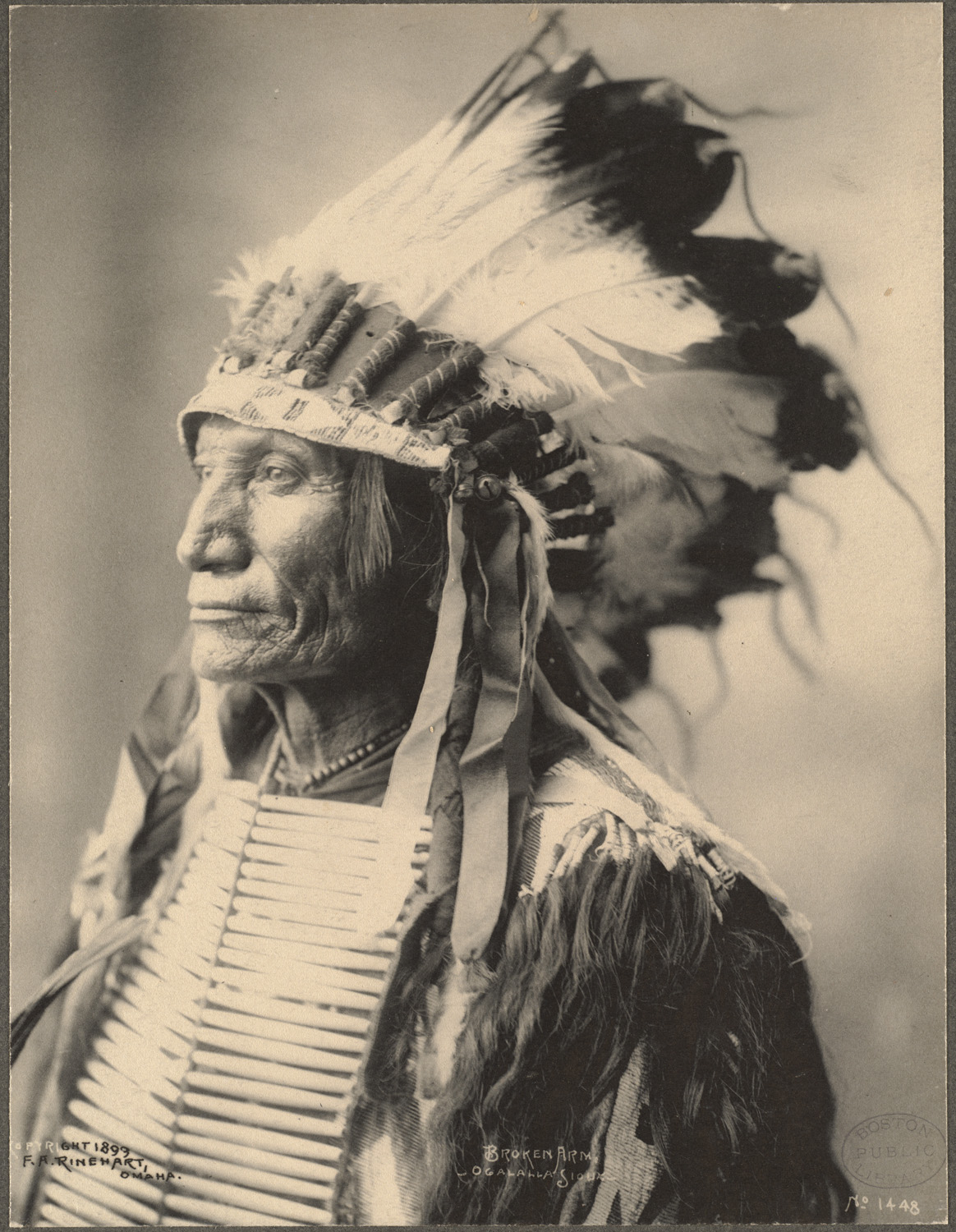
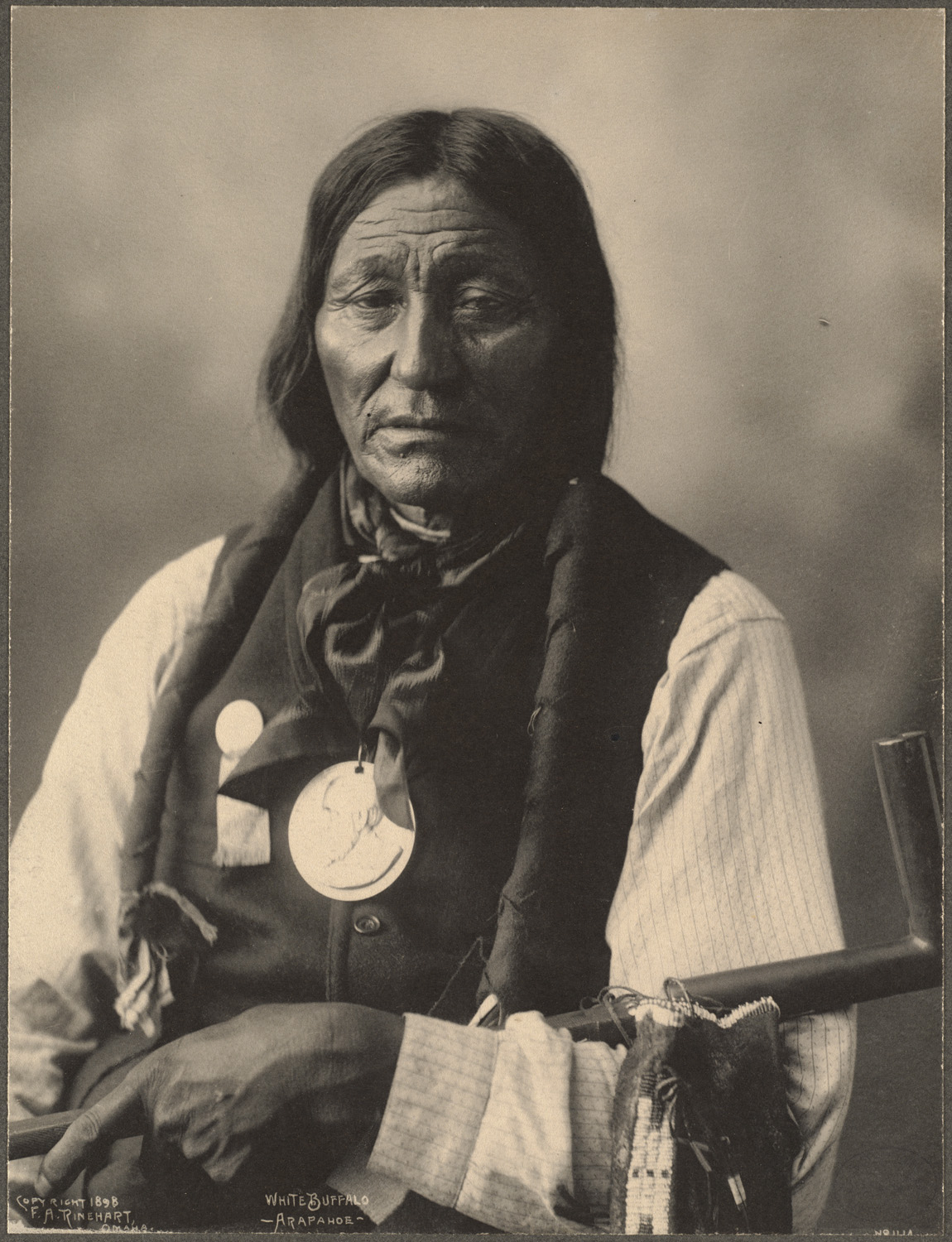
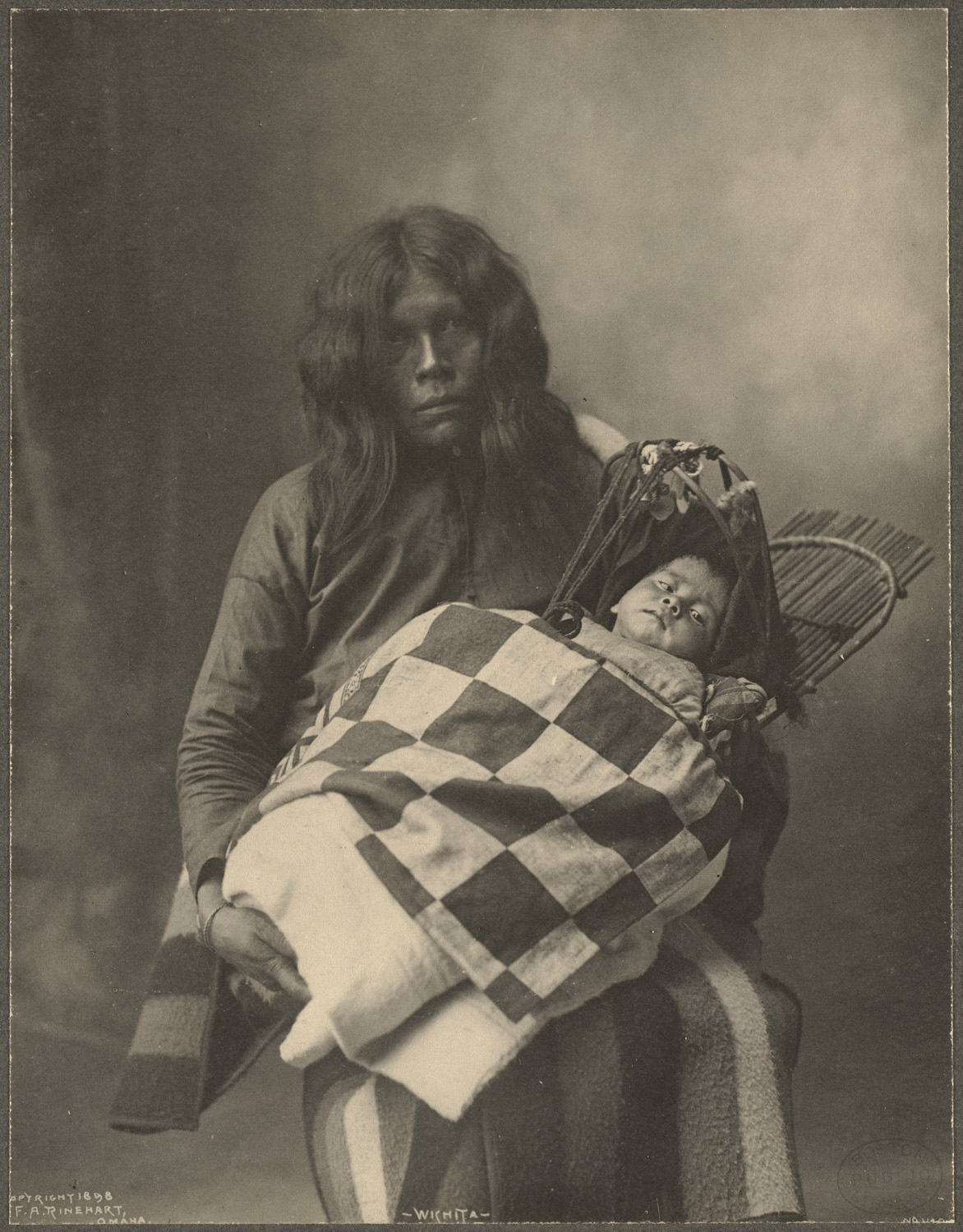
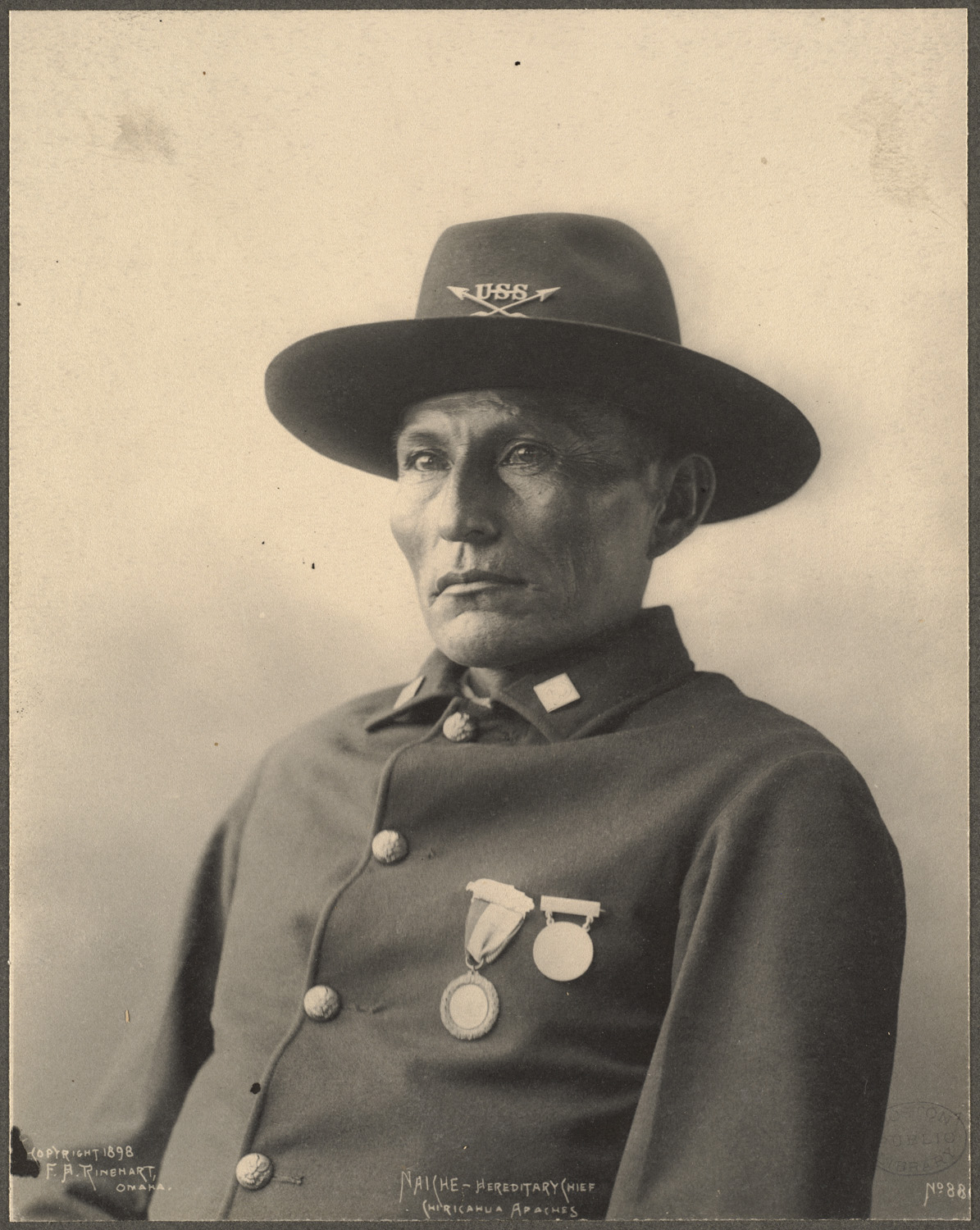
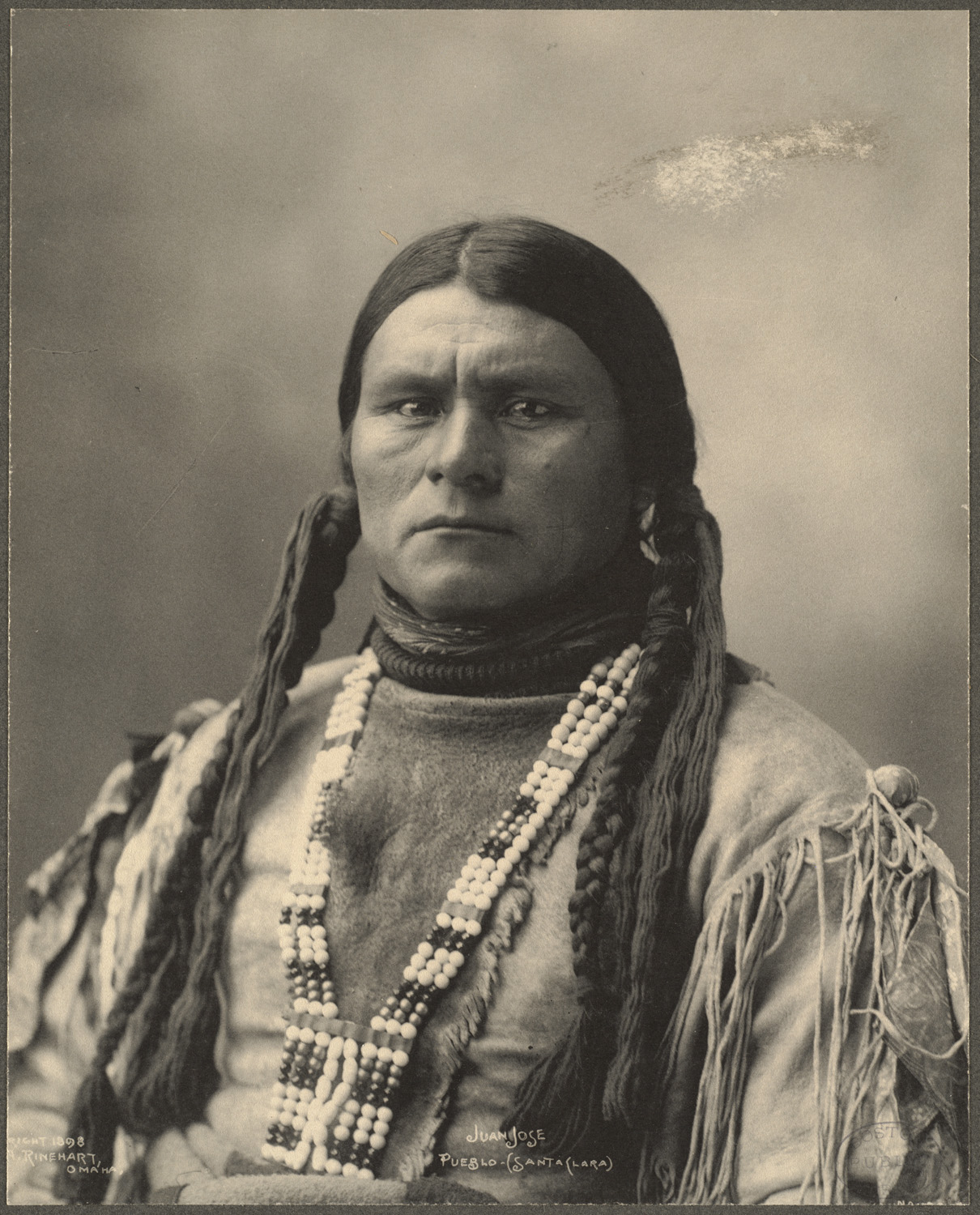
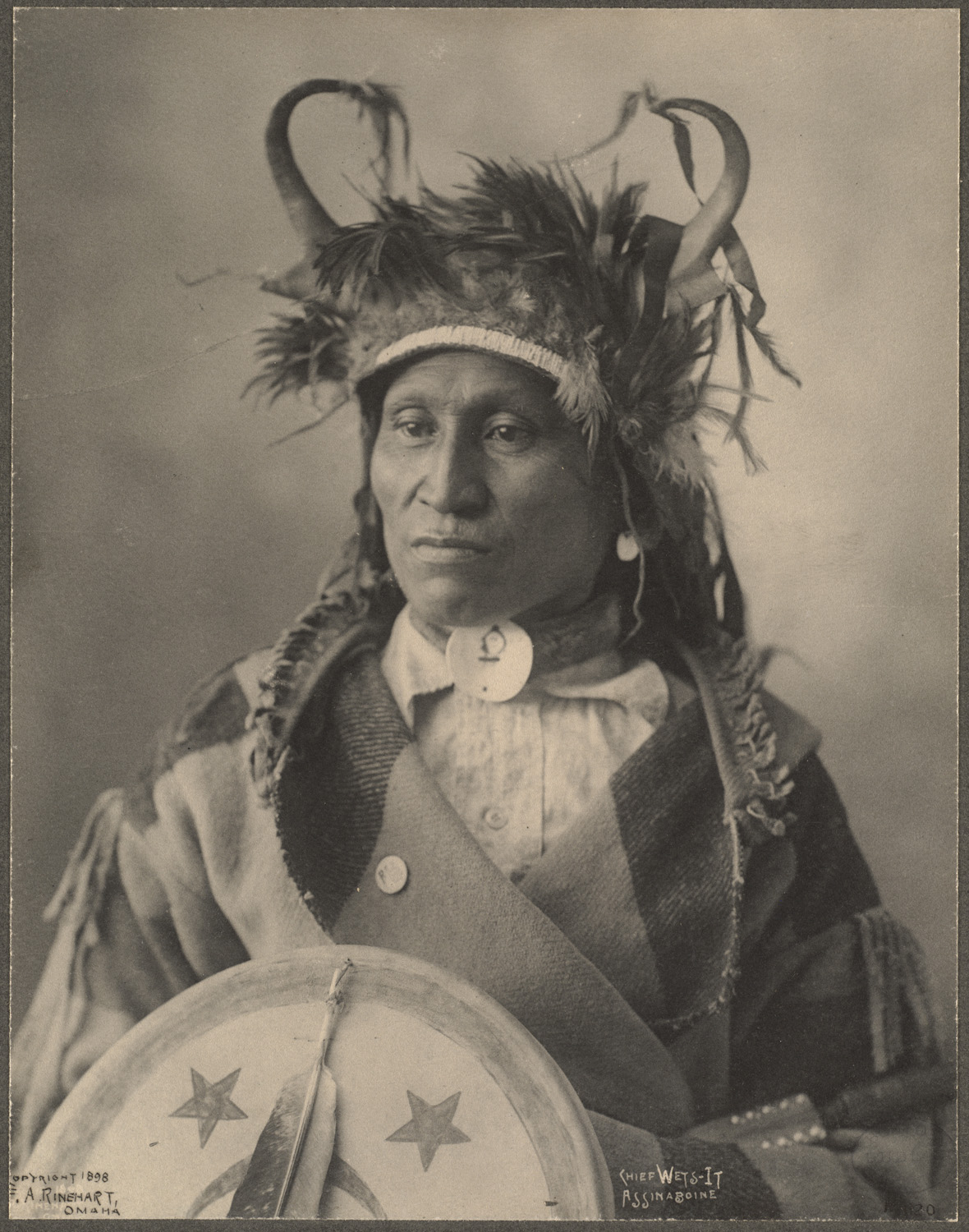
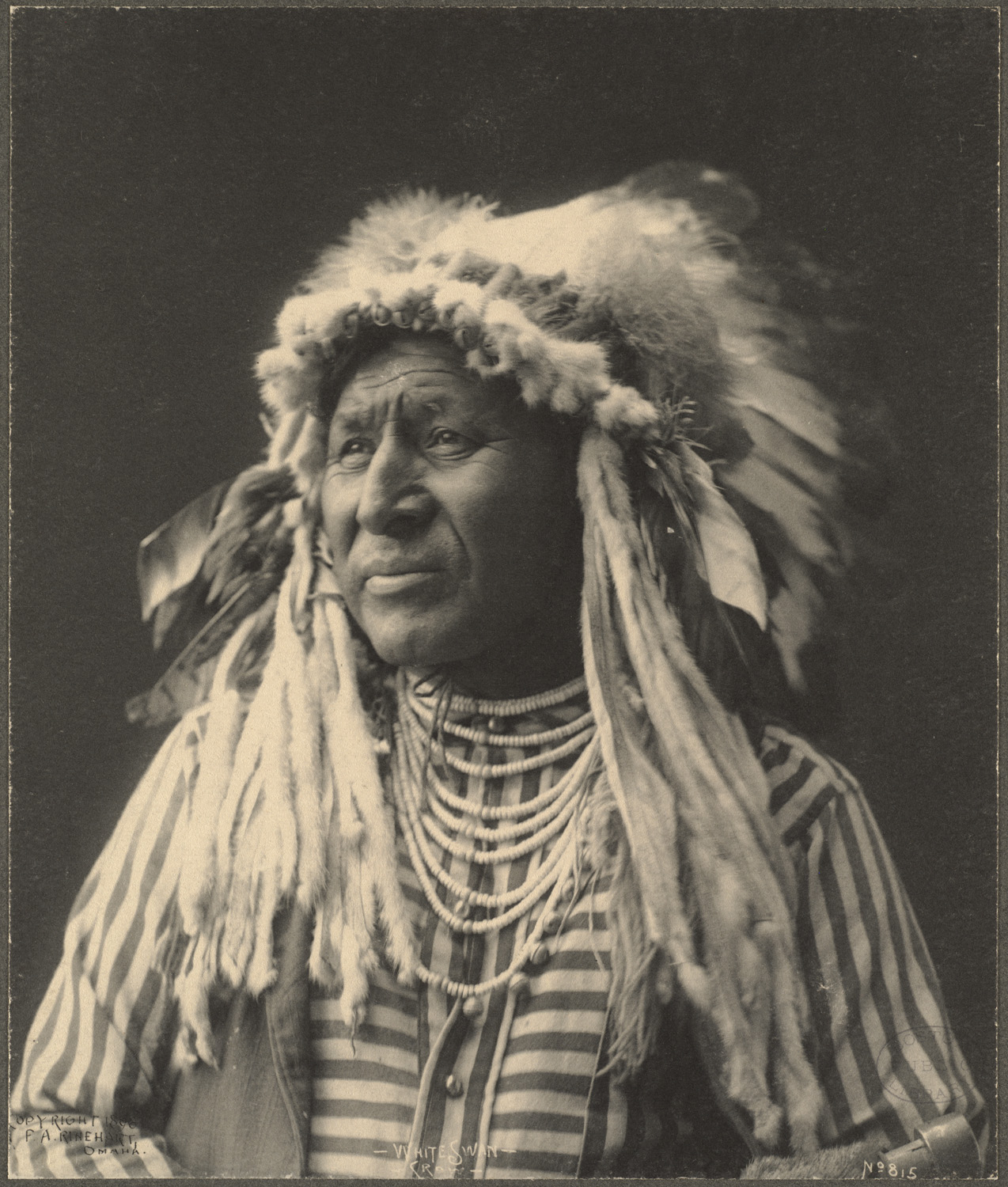
Fascinating 19th Century Portraits of Native American Indians ~ By Photographer Frank A. Rinehart

Frank Albert Rinehart (1861-1928) was an American artist famous for his photographs depicting Native American personalities and scenes, especially the leaders and members of the delegations who attended the 1898 Indian Congress in Omaha.

Rinehart was born in Lodi, Illinois. He and his brother, Alfred, moved to Colorado in the 1870s and found employment at the Charles Bohm photography studio, in Denver. In 1881 the Rinehart brothers formed a partnership with famous Western photographer William Henry Jackson, who had achieved widespread fame for his images of the West. Under Jackson's teachings, Rinehart's perfected his professional skills, and developed a keen interest in Native American culture. Frank Rinehart and Anna, the receptionist of Jackson's studio, married and in 1885 moved to Nebraska. In downtown Omaha, Rinehart opened a studio in the Brandeis Building, where he worked until his death.

In 1898, and in occasion of the Indian Congress held in conjunction with the Trans-Mississippi and International Exposition, Rinehart was commissioned to photograph the event and the Native American personalities who attended it. Together with his assistant Adolph Muhr (who would later be employed by the famous photographer Edward S. Curtis), they produced what is now considered "one of the best photographic documentations of Indian leaders at the turn of the century"

Rinehart and Muhr photographed American Indians at the Indian Congress in a studio on the Exposition grounds with an 8 x 10 glass-negative camera with a German lens. Platinum prints were produced to achieve the broad range of tonal values that medium afforded [via wiki]

*click on images for a larger more splendid view*


"The dramatic beauty of these portraits is especially impressive as a departure from earlier, less sensitive photographs of Native Americans. Instead of being detached, ethnographic records, the Rinehart photographs are portraits of individuals with an emphasis on strength of expression. While Rinehart and Muhr were not the first photographers to portray Indian subjects with such dignity, this large body of work which was widely seen and distributed may have had an important influence in changing subsequent portrayals of Native Americans"
 ~Tom Southall, former photograph curator at the University of Kansas' Spencer Art Museum


500 Nations  Documentary on Native Americans: An exploration of the various Native American nations and their fall to the European conquerors.


"...probably the single best examination of Native American history and culture ever committed to film." ~  John J. Puccio
Movie Metropolis


Related Posts Plugin for WordPress, Blogger...